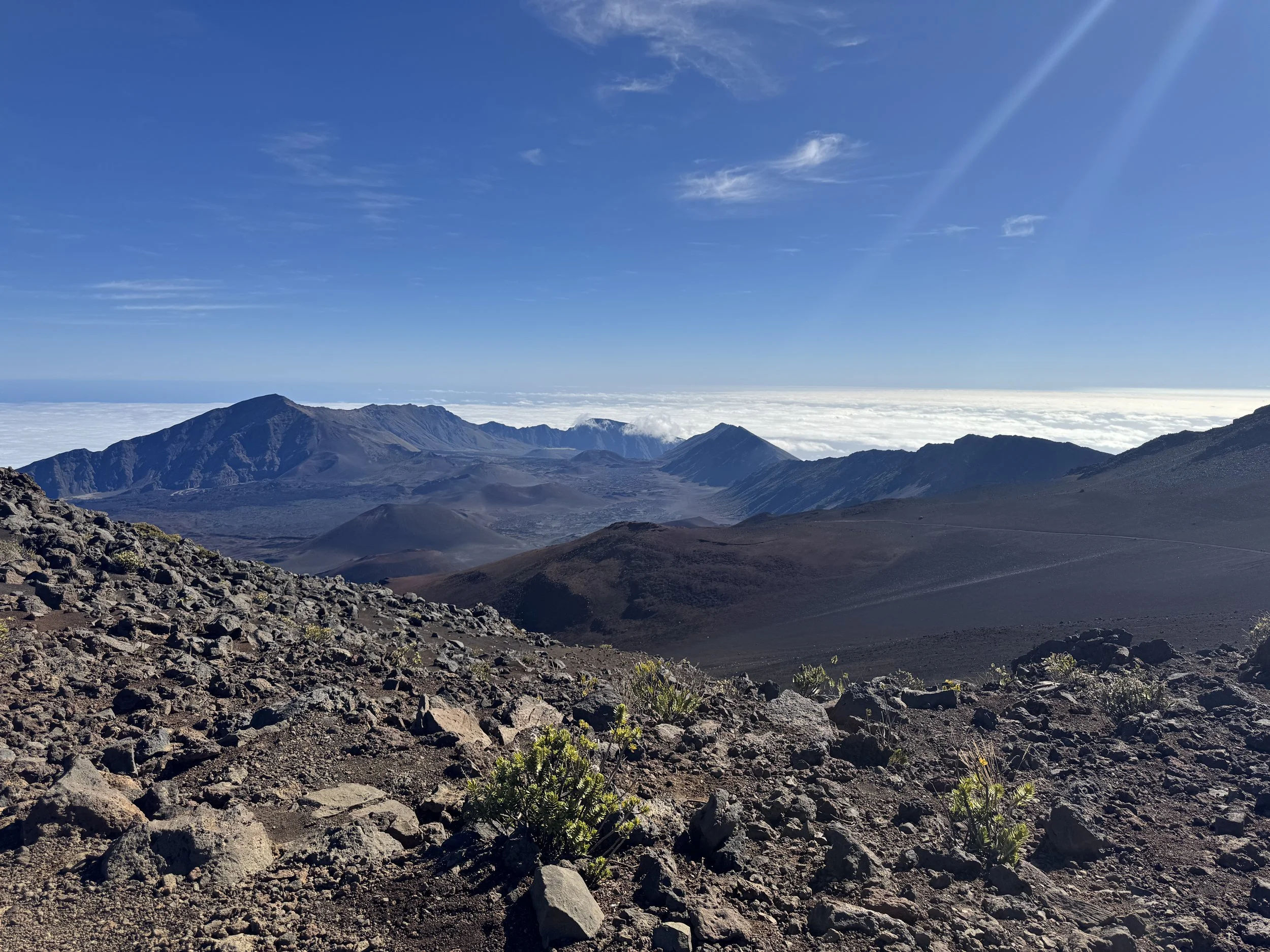
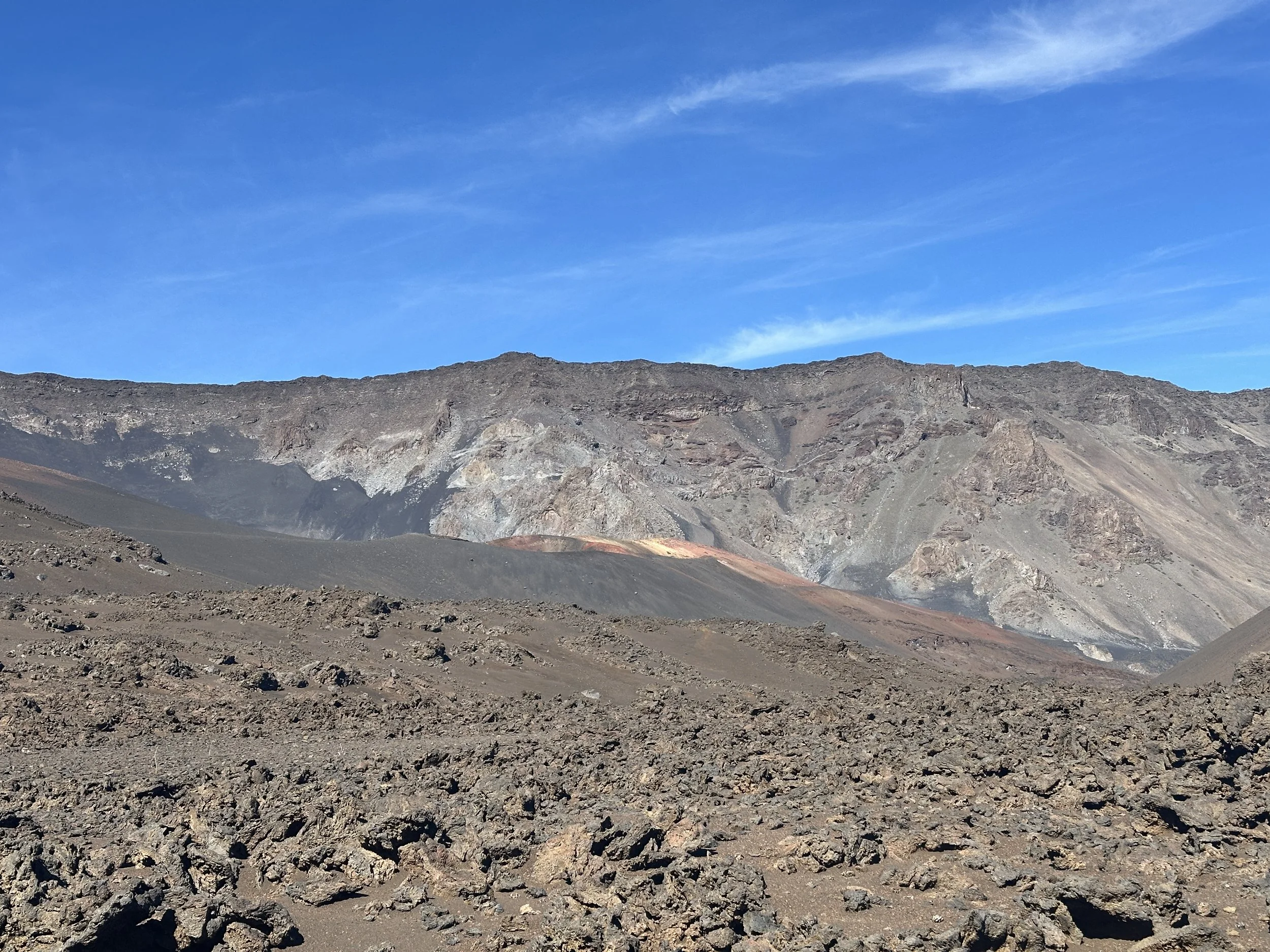
Haleakala - National Park
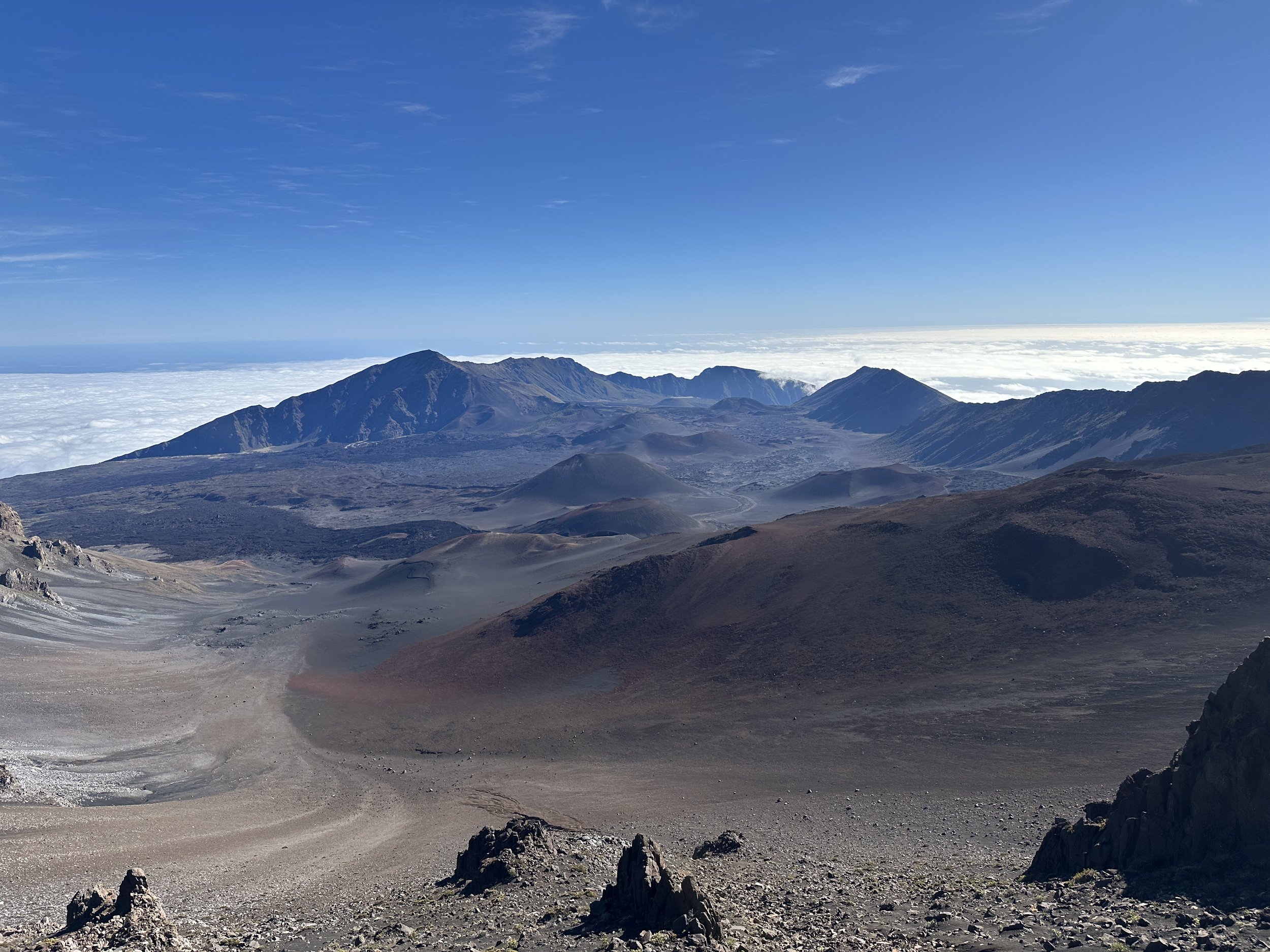
Sliding Sands Trail - Haleakala National Park
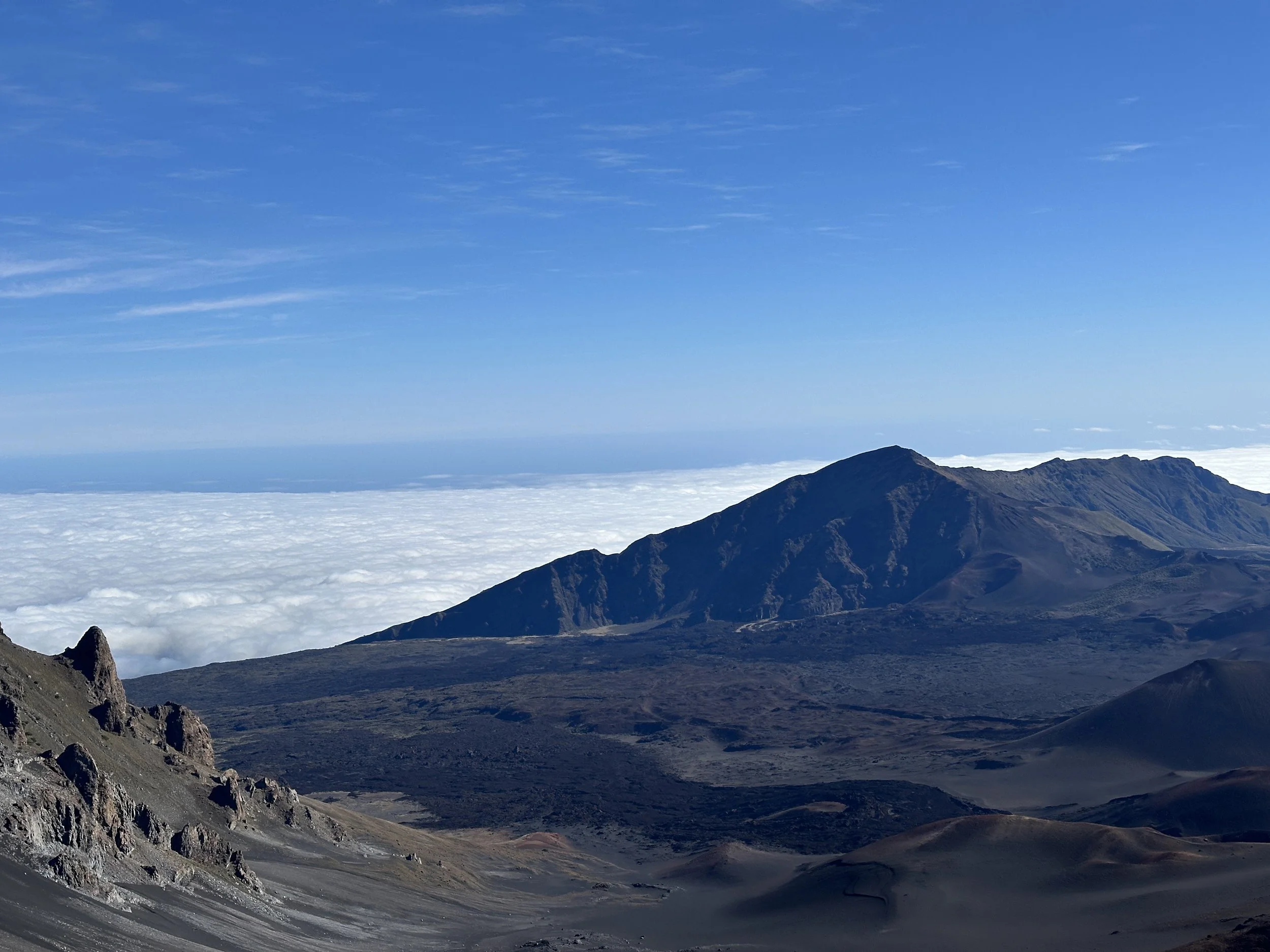
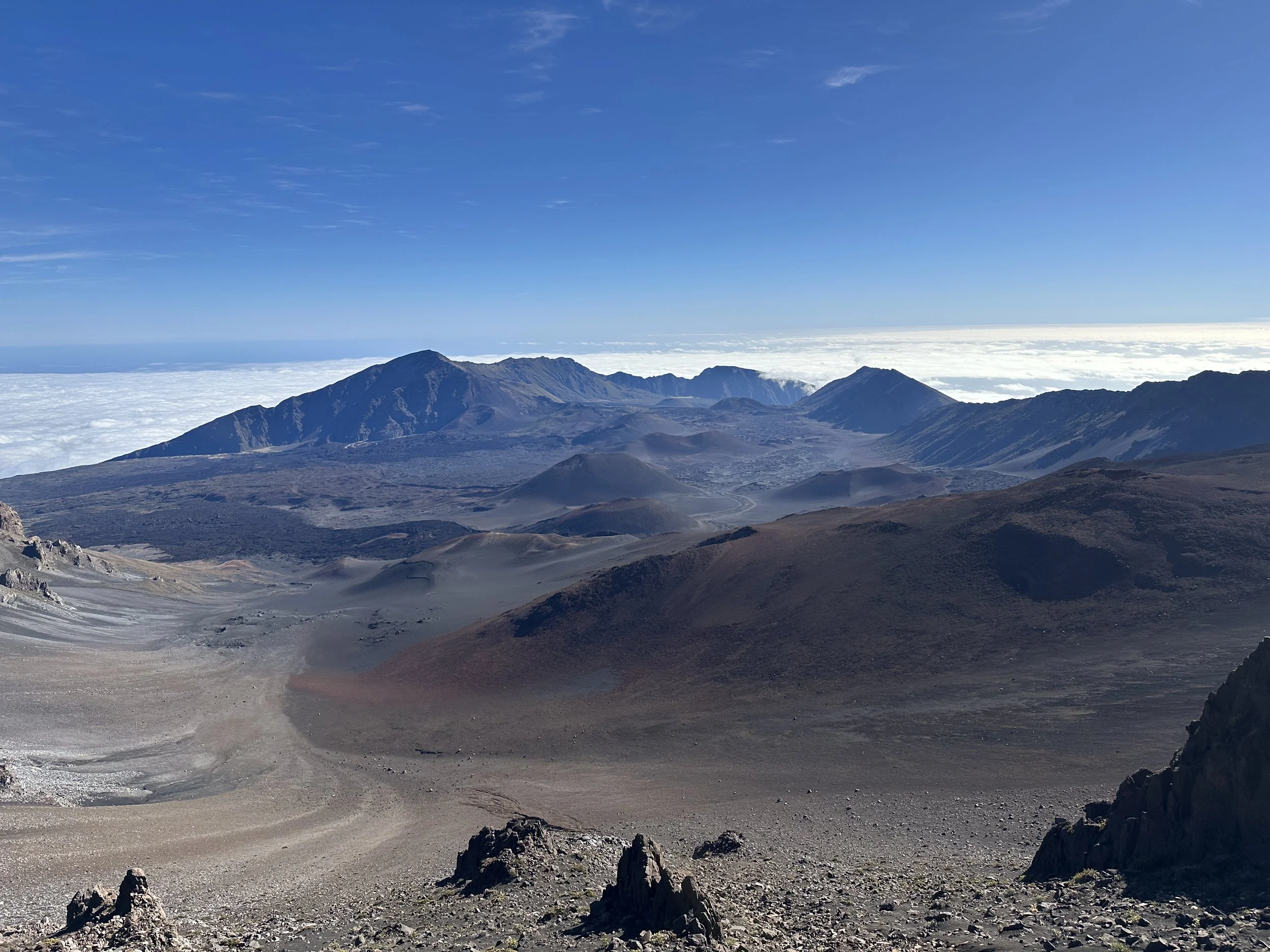
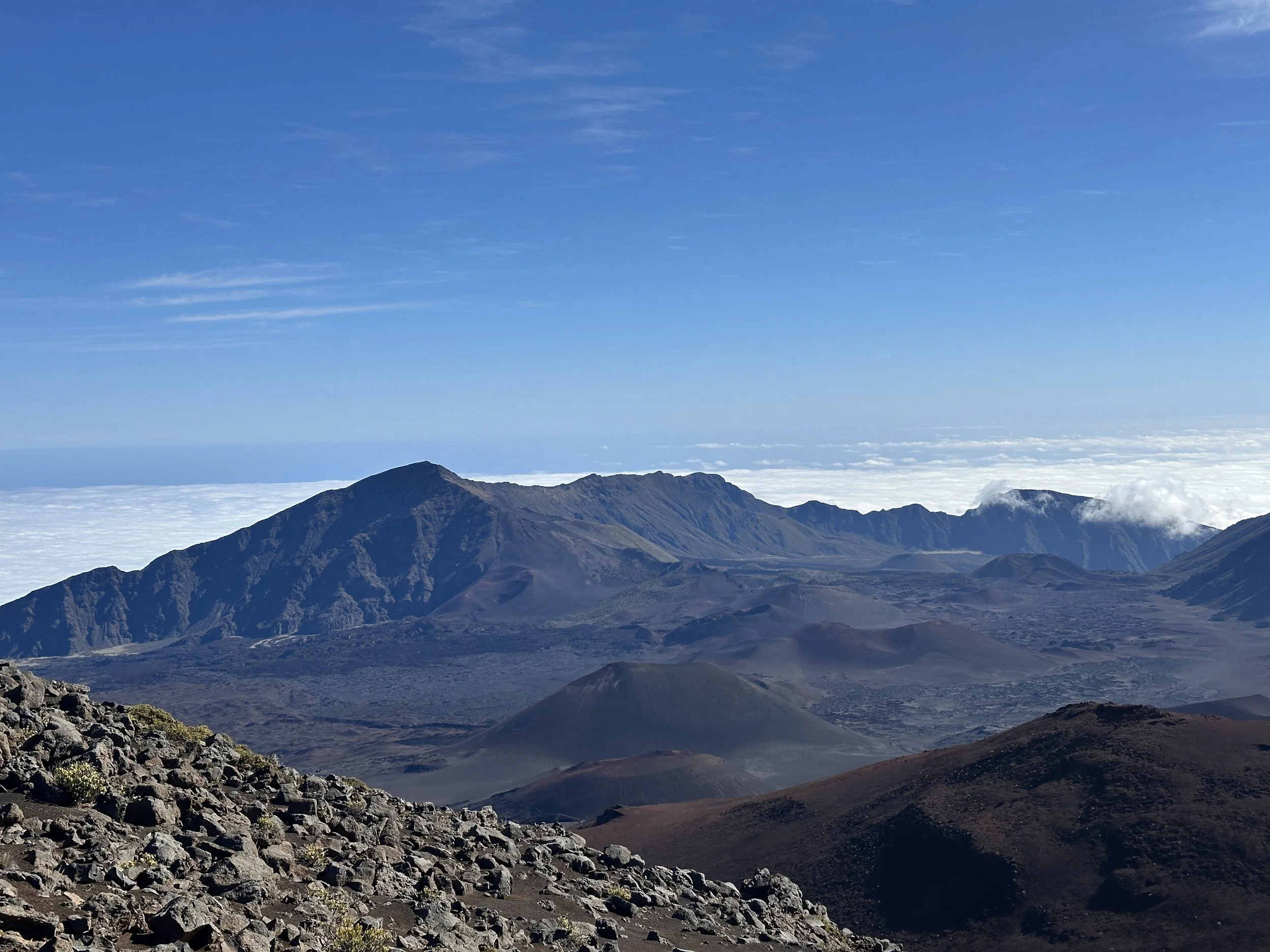
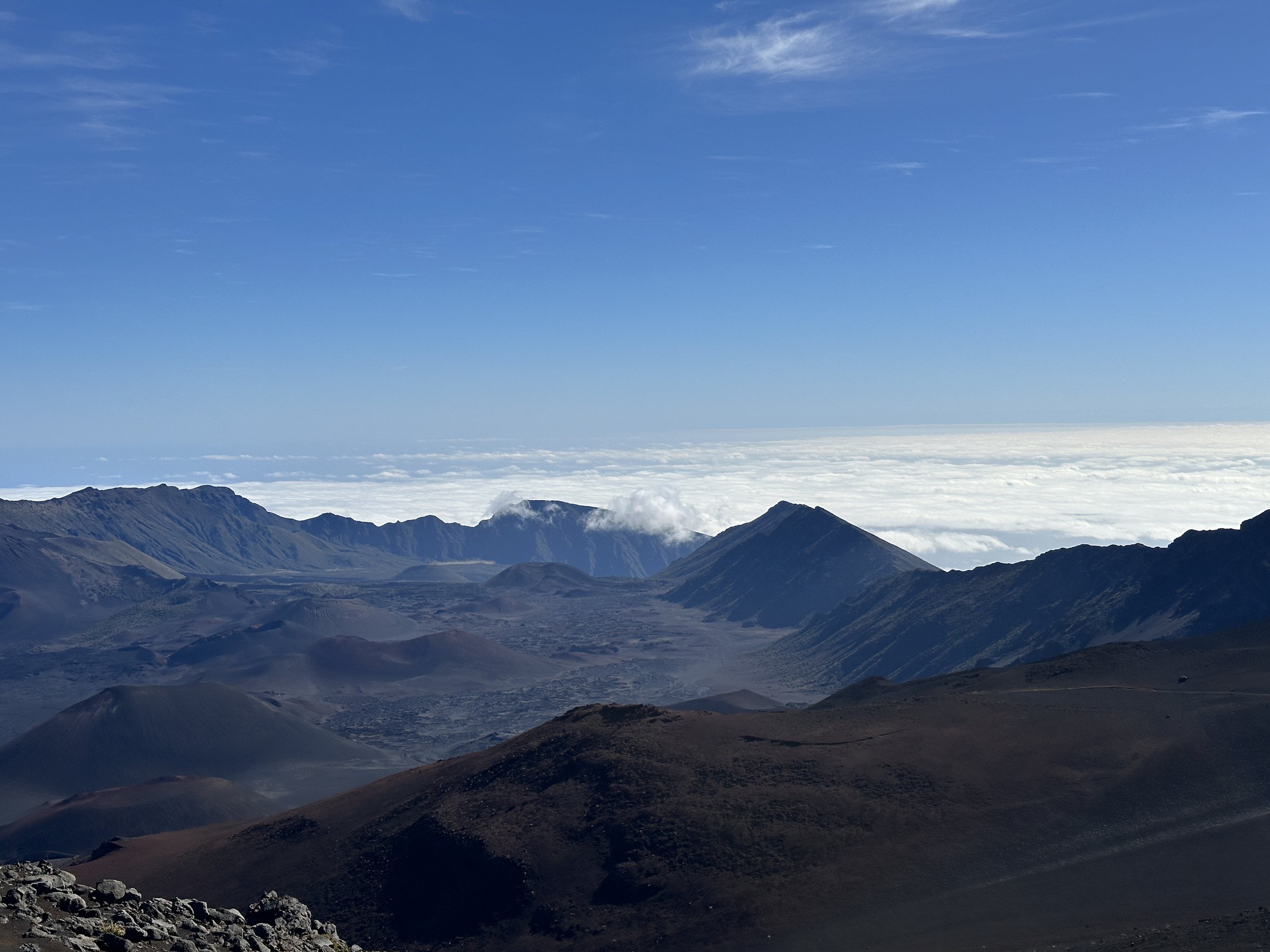
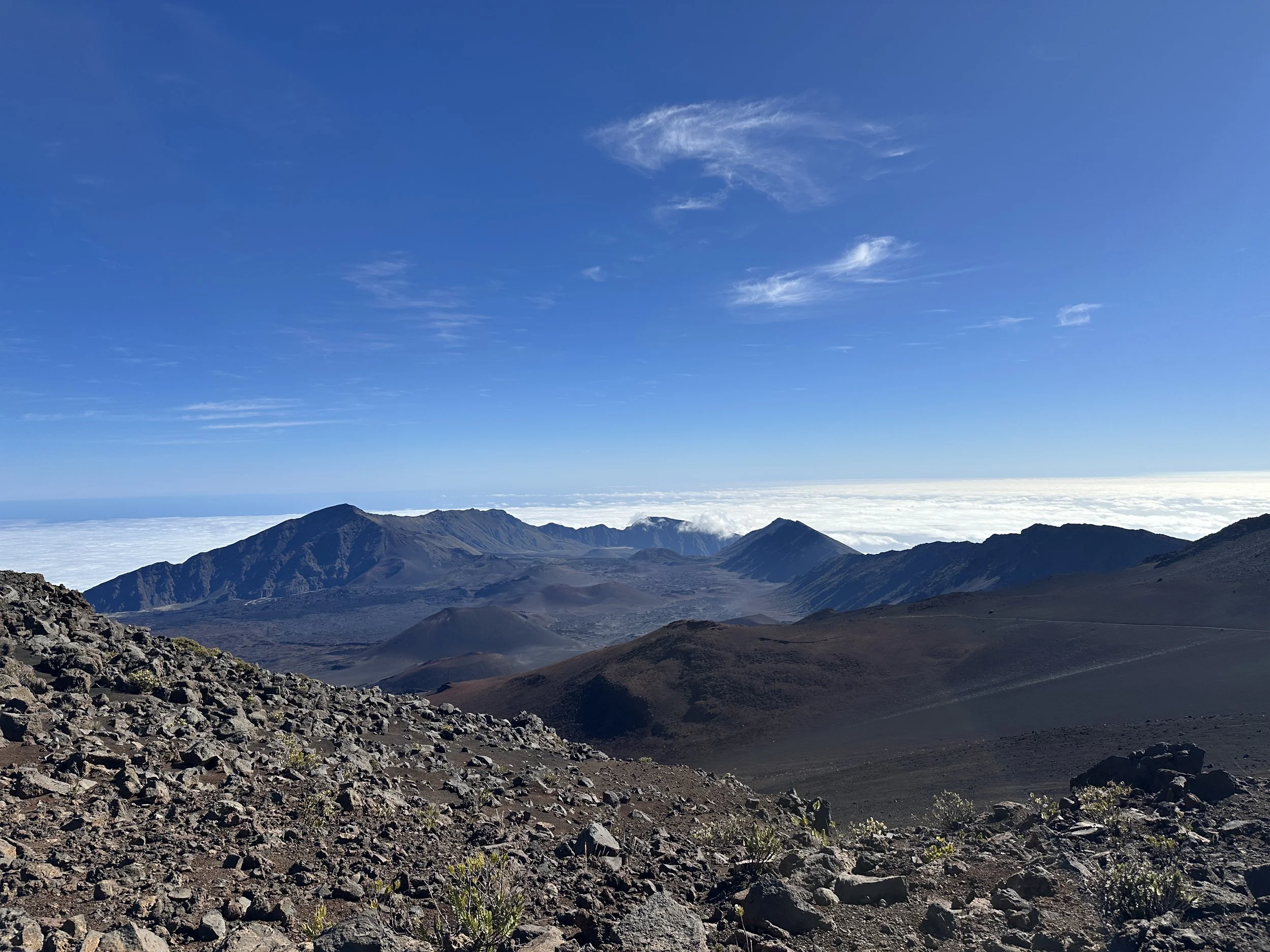
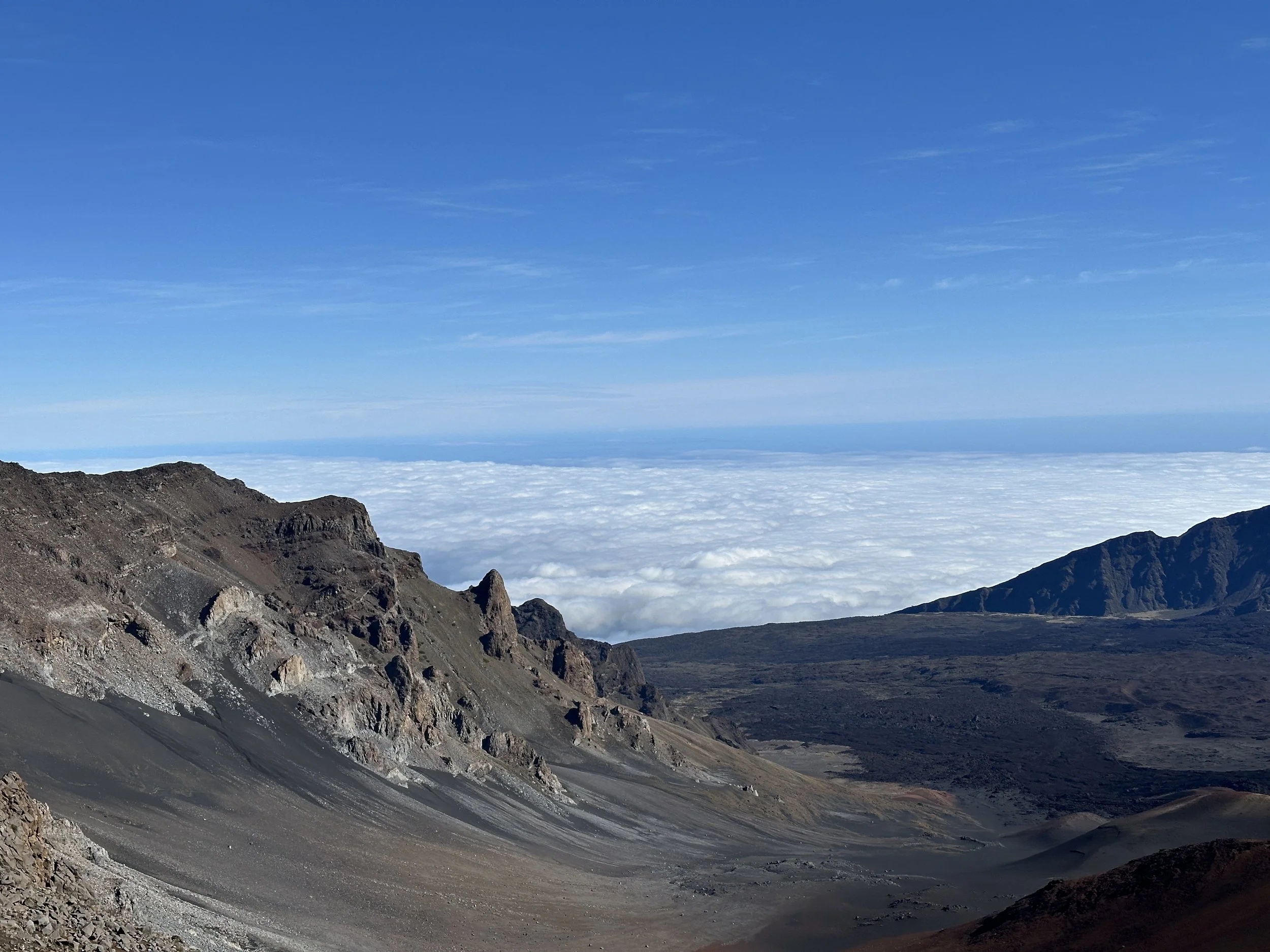
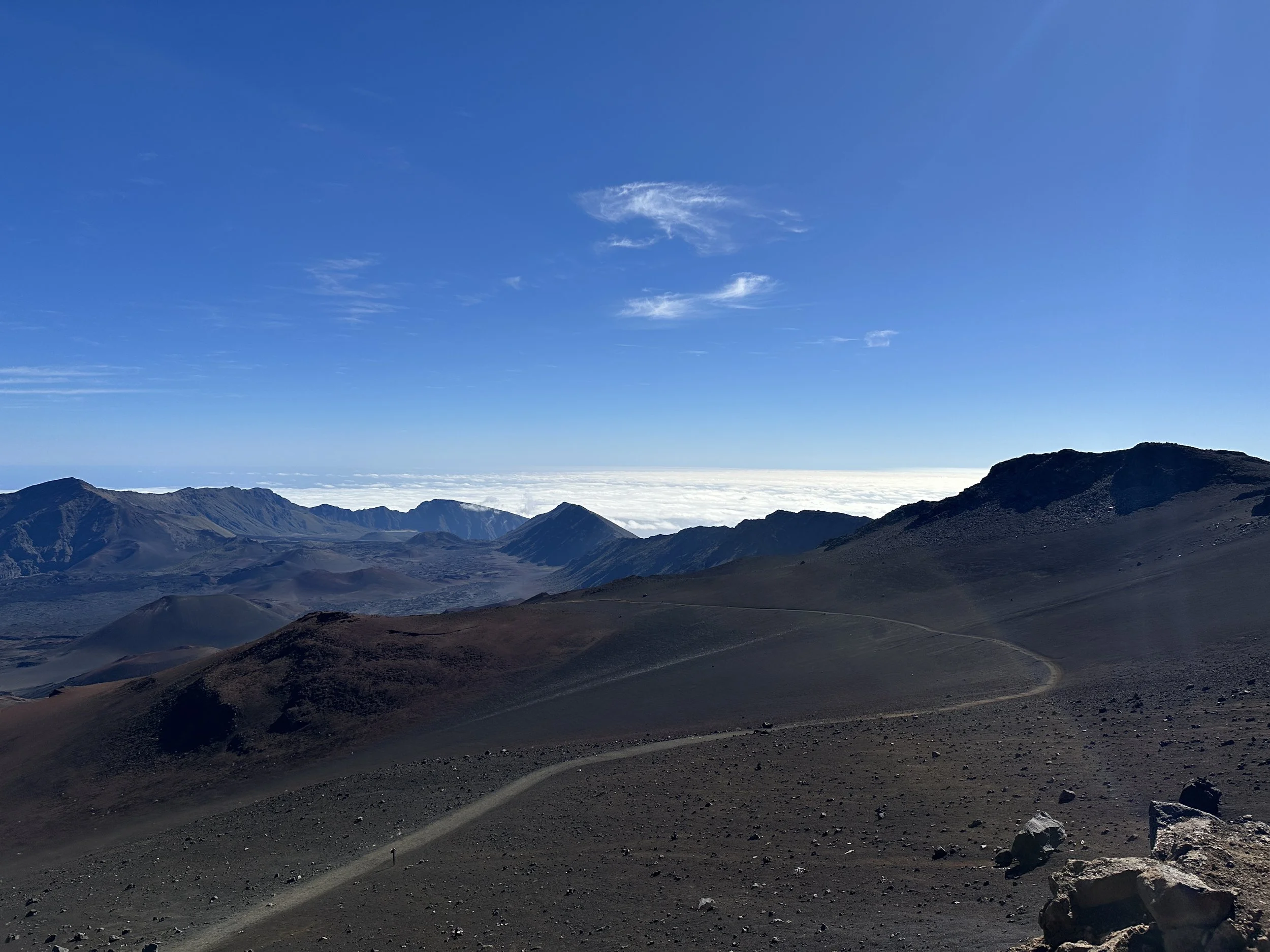
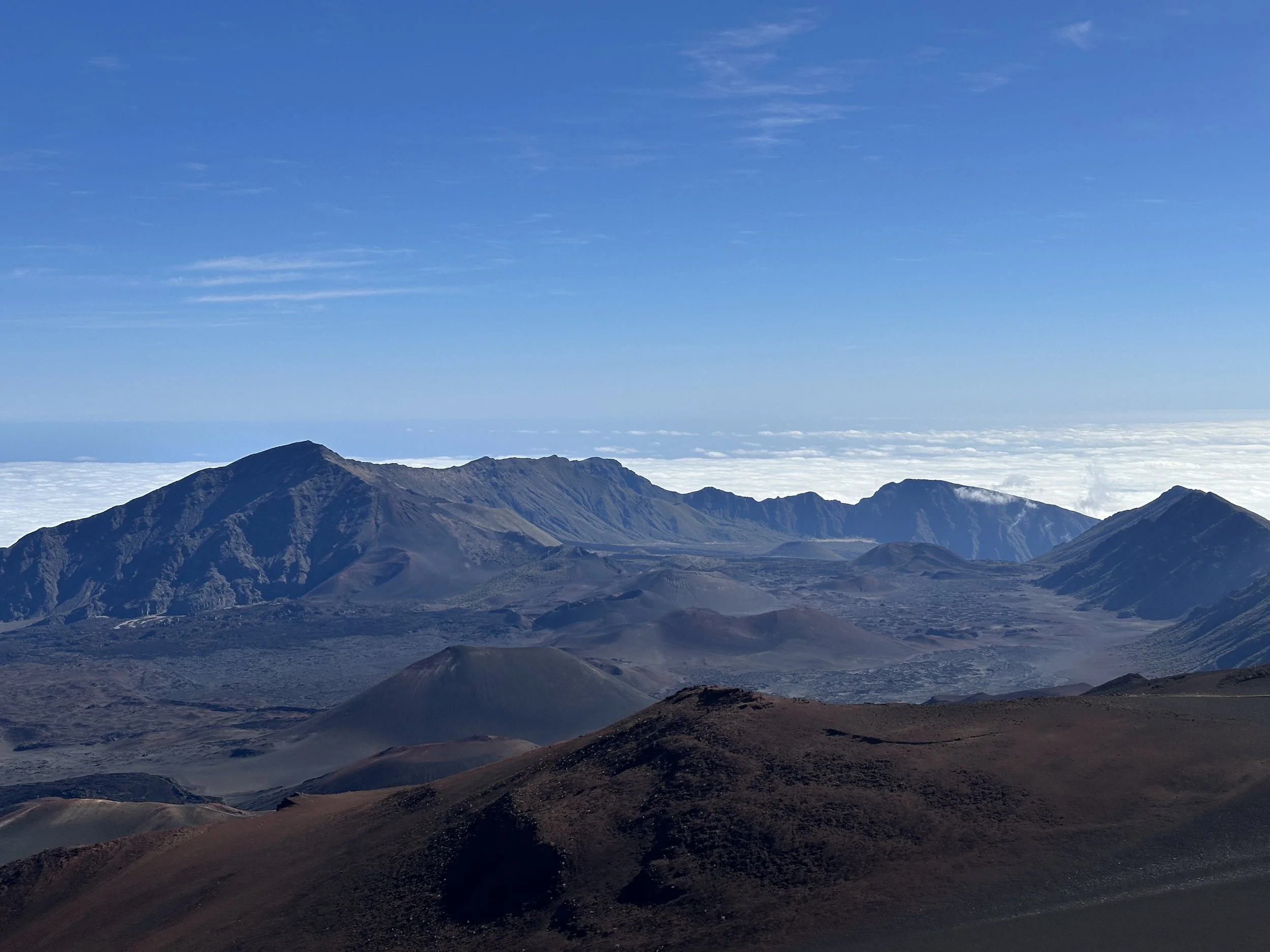
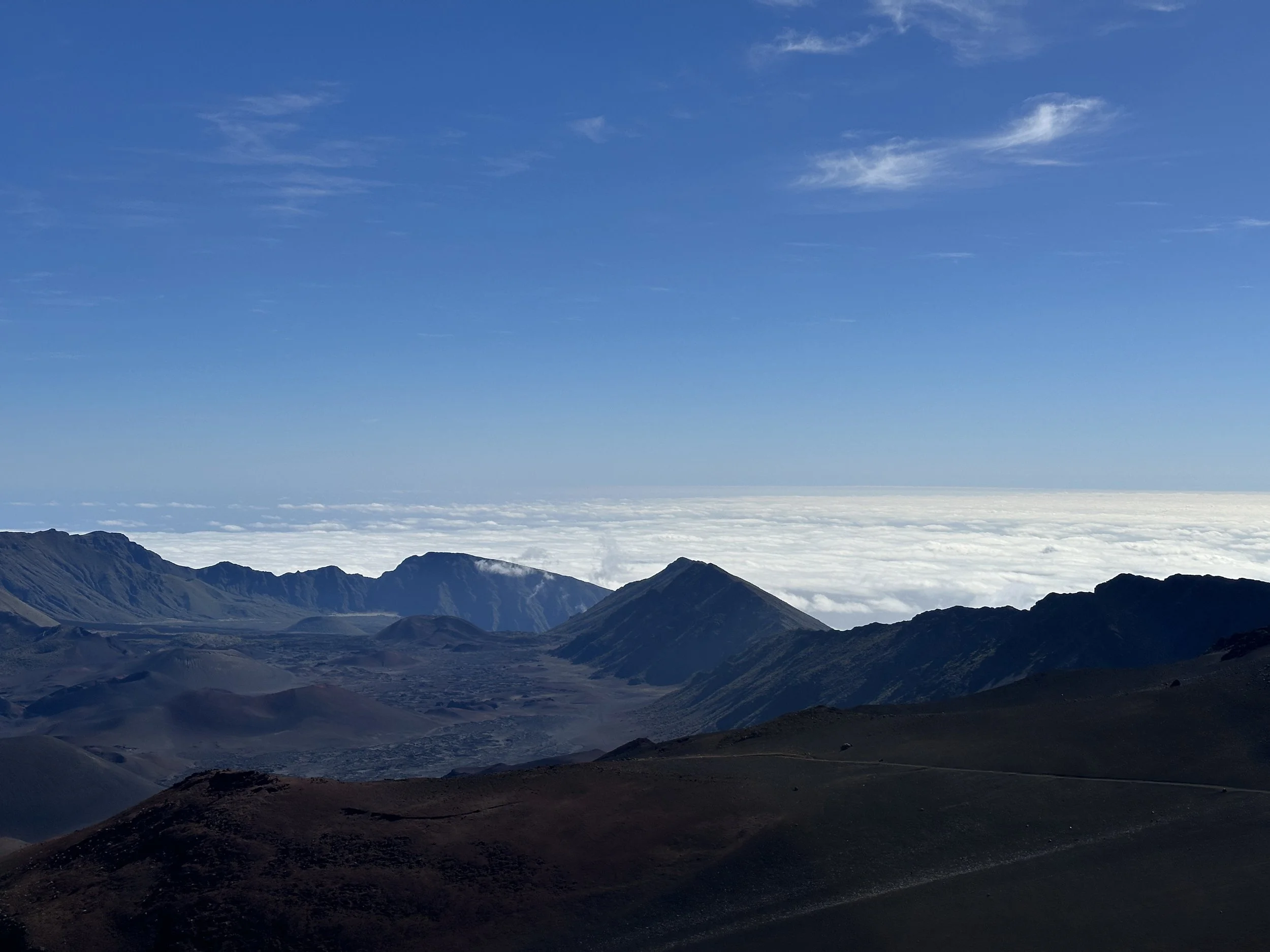
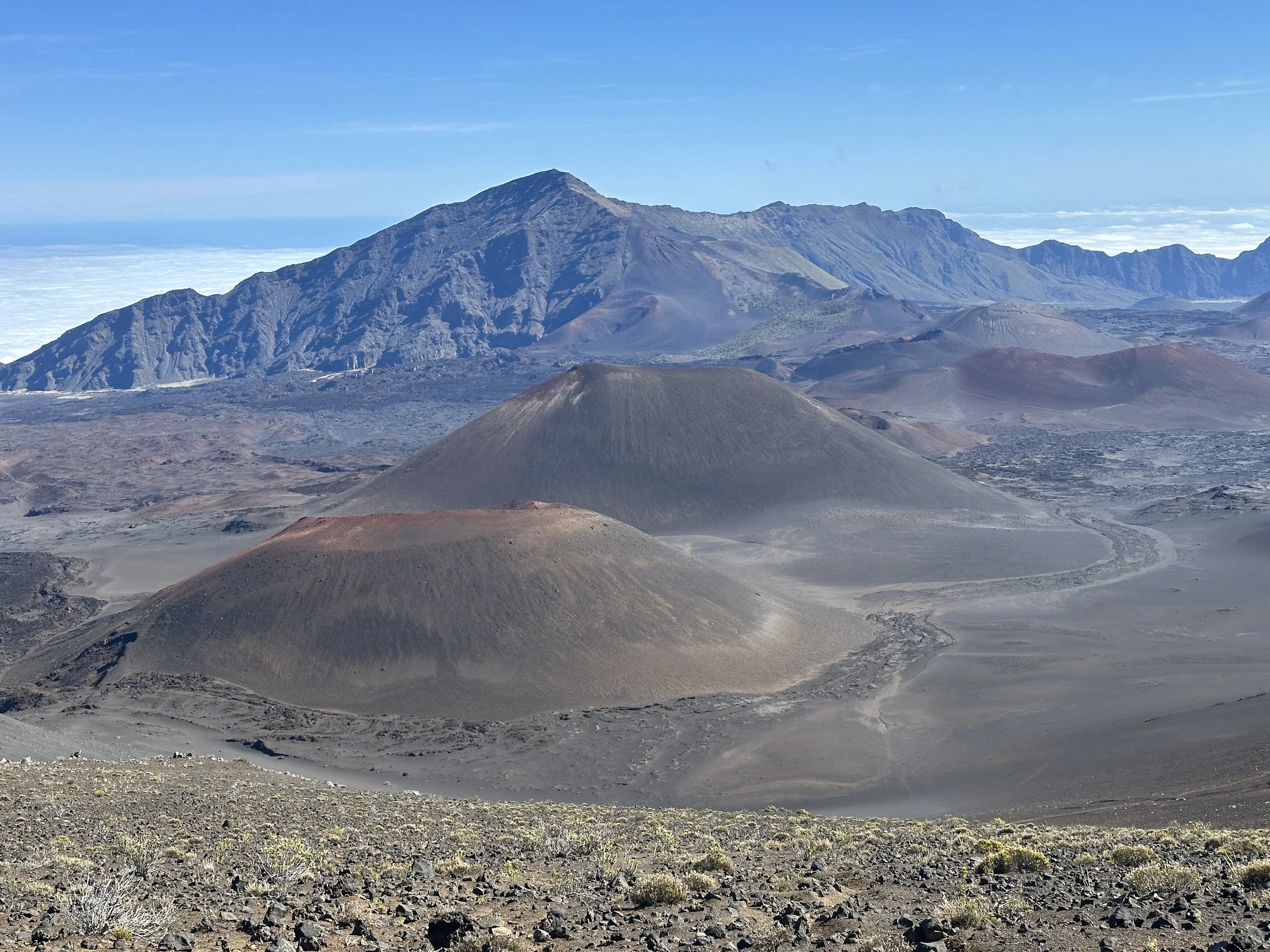
Descending into the heart of Haleakalā National Park is less like a typical tropical hike and more like stepping onto the surface of Mars. Known as the "House of the Sun," the summit of this dormant shield volcano towers 10,023 feet above Maui, offering a landscape defined by jagged lava flows and vibrant cinder cones. While many visitors simply drive to the peak for the world-famous sunrise, those looking for a true connection to the island’s volcanic soul head straight for the Keoneheʻeheʻe (Sliding Sands) Trail.
The trail begins at the very edge of the summit, where the air is thin and crisp. As you begin your descent, the panoramic views of the 1,000-foot-deep crater floor are staggering. The path earned its nickname from the fine, multi-colored volcanic cinders that "slide" under your boots as you drop 2,800 feet into the basin. Along the way, keep a sharp eye out for the 'ahinahina (Silversword), a rare, silver-haired plant that looks like it belongs in a sci-fi film and grows nowhere else on Earth.
However, the beauty of Sliding Sands comes with a physical price. Because the hike starts at the summit, the return journey is a grueling, all-uphill climb at high altitude. In January 2026, visitors should be aware of ongoing infrastructure projects; as of January 12, 2026, the park has implemented a water system repair project that may cause limited parking and traffic delays at the visitor center. Additionally, if you plan to start your hike early to catch the dawn, you must book a Sunrise Reservation up to 60 days in advance.
Preparation is key for a successful 2026 trek. The weather at the summit is notoriously unpredictable, with temperatures frequently dropping below freezing before the sun rises, only to soar under intense UV rays by noon. Pack at least three liters of water, wear high-SPF sunscreen, and bring a windproof layer. Whether you hike just a few miles or cross the entire crater floor, the silence and scale of Haleakalā provide a spiritual stillness that is easily the highlight of any Maui itinerary.
Kapahulu District
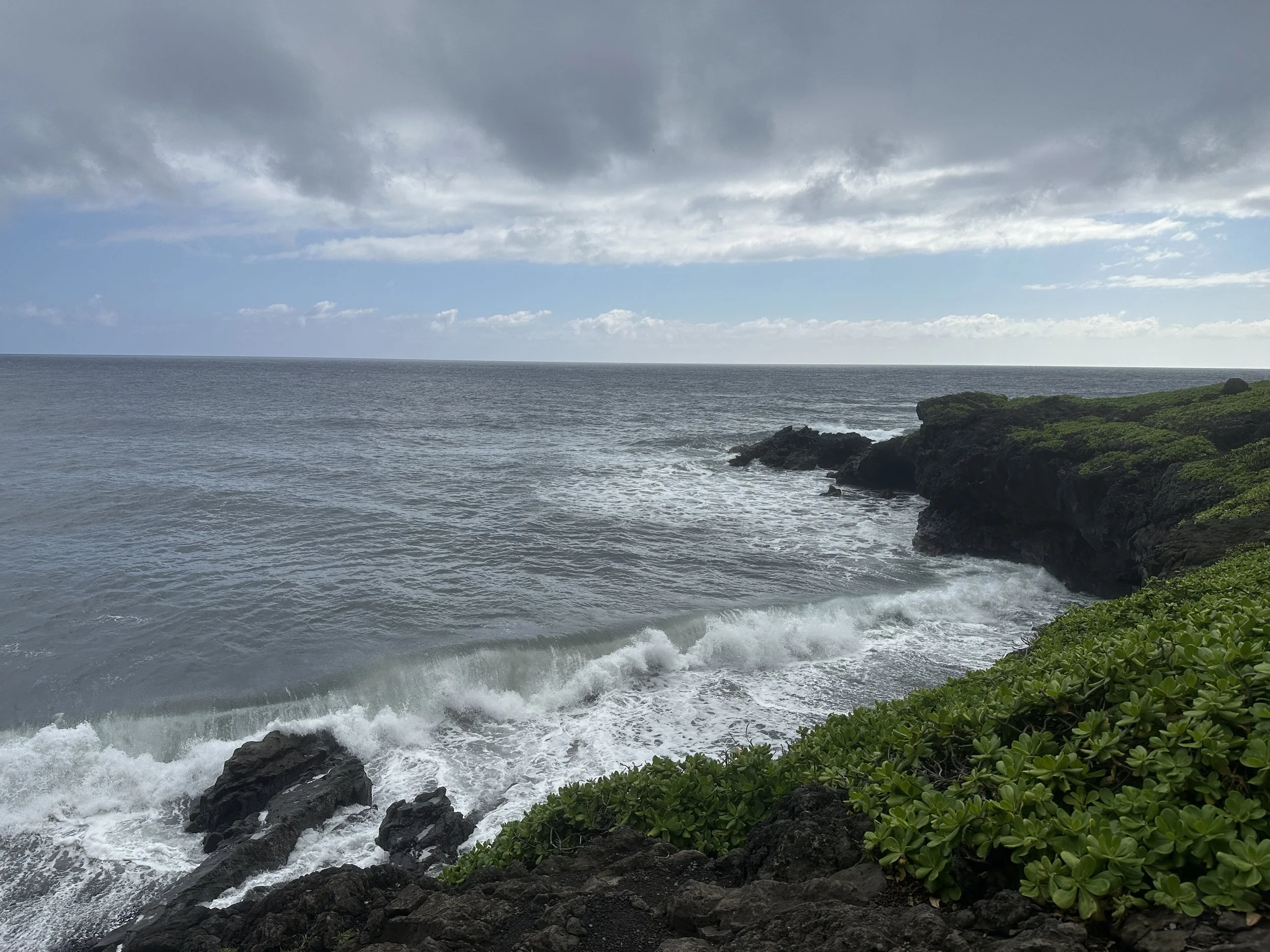
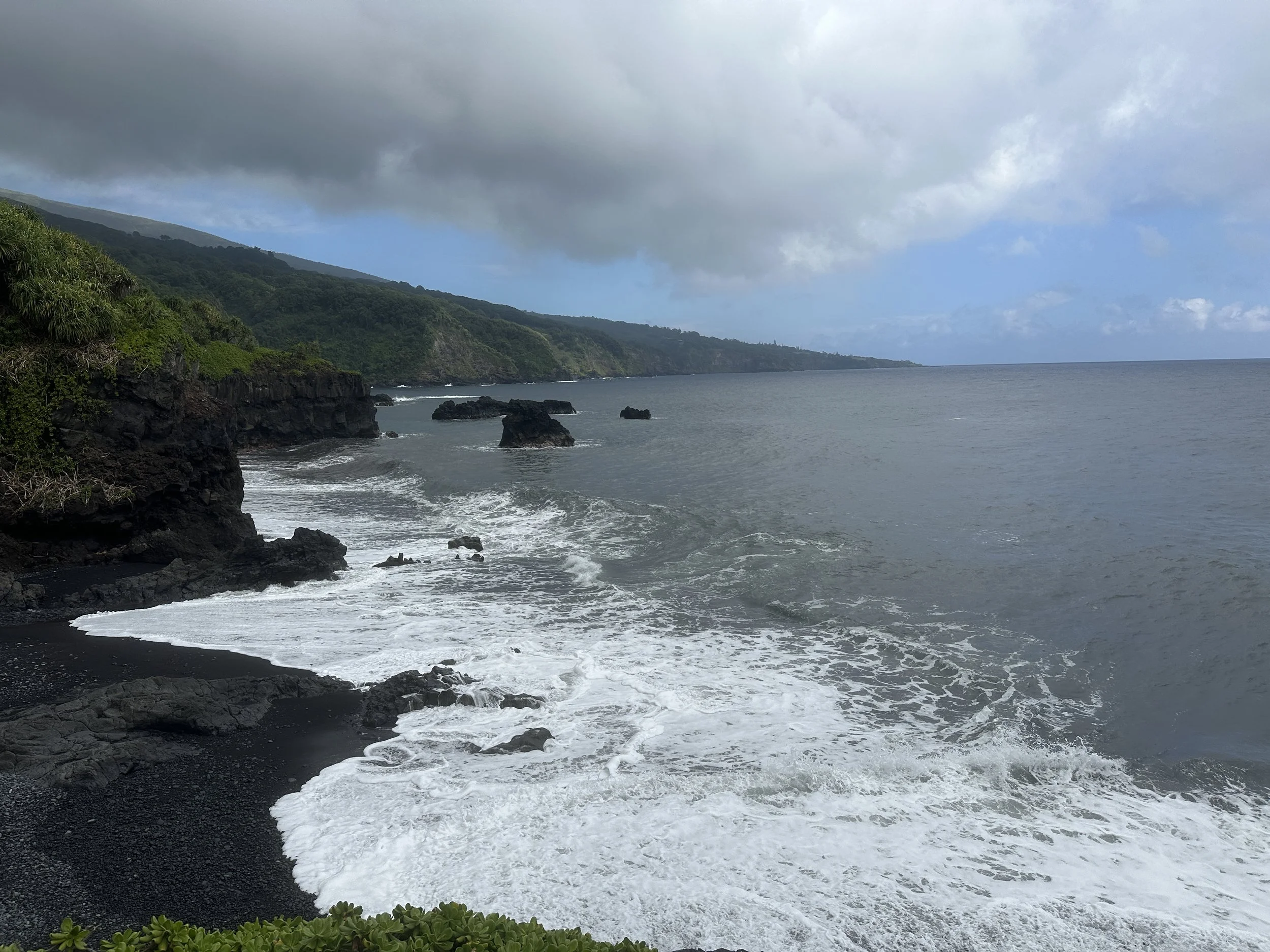
On the other side of the National Park is the Kapahulu District and it could not be more different than the crater section. If you are seeking the quintessential Maui adventure, the hike along the Pipiwai Trail to the base of the magnificent Waimoku Fall is for you.
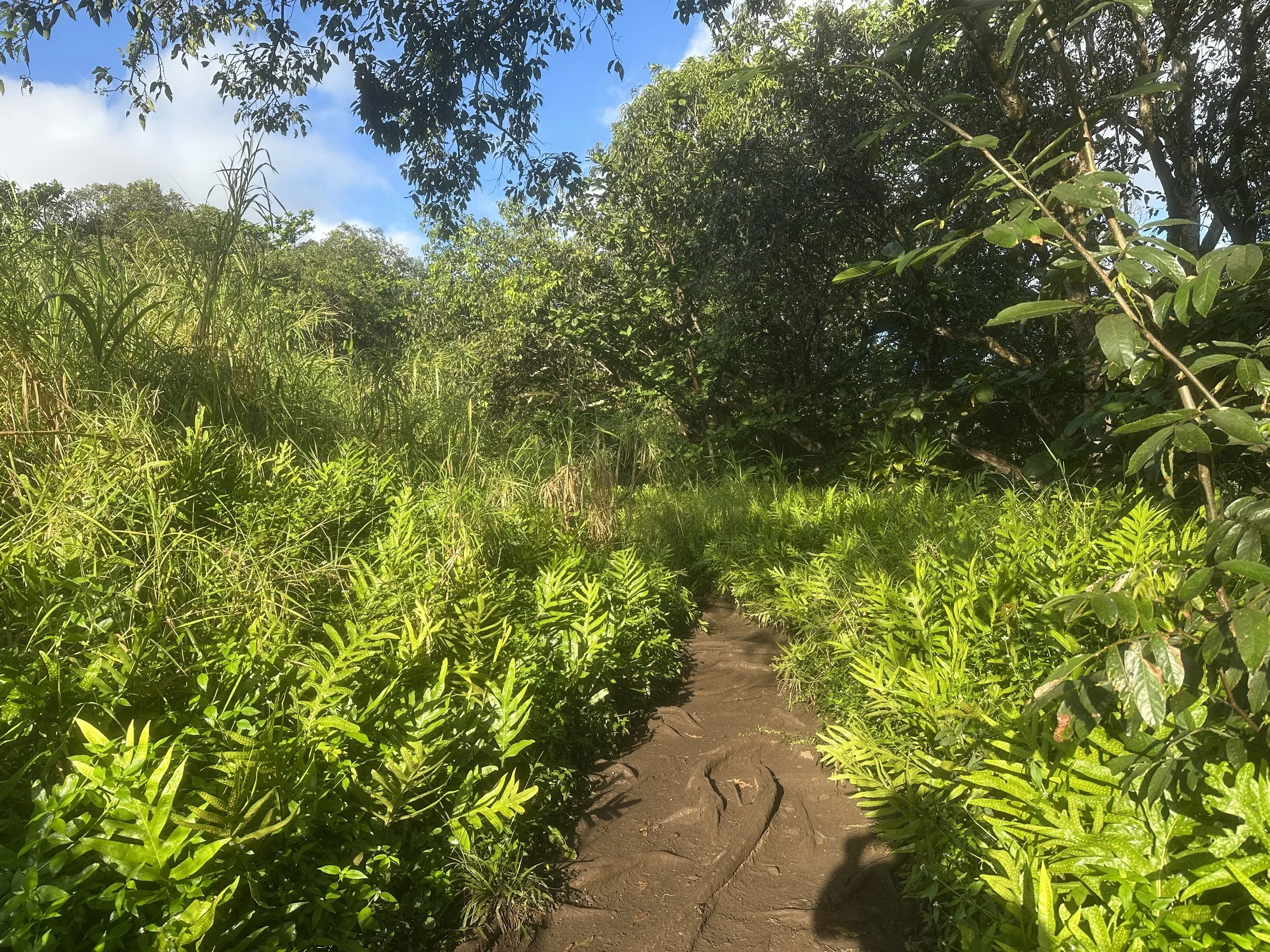
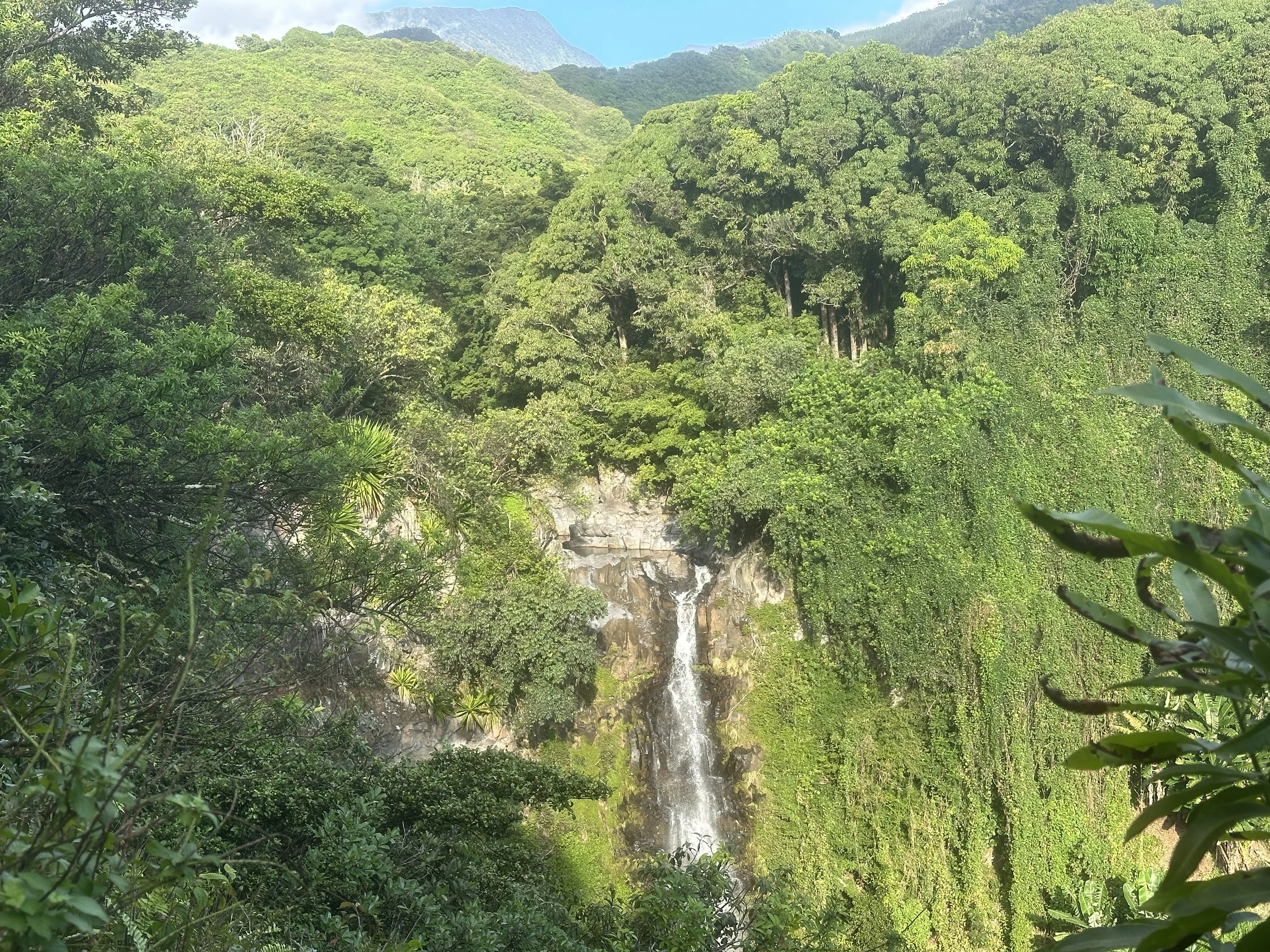
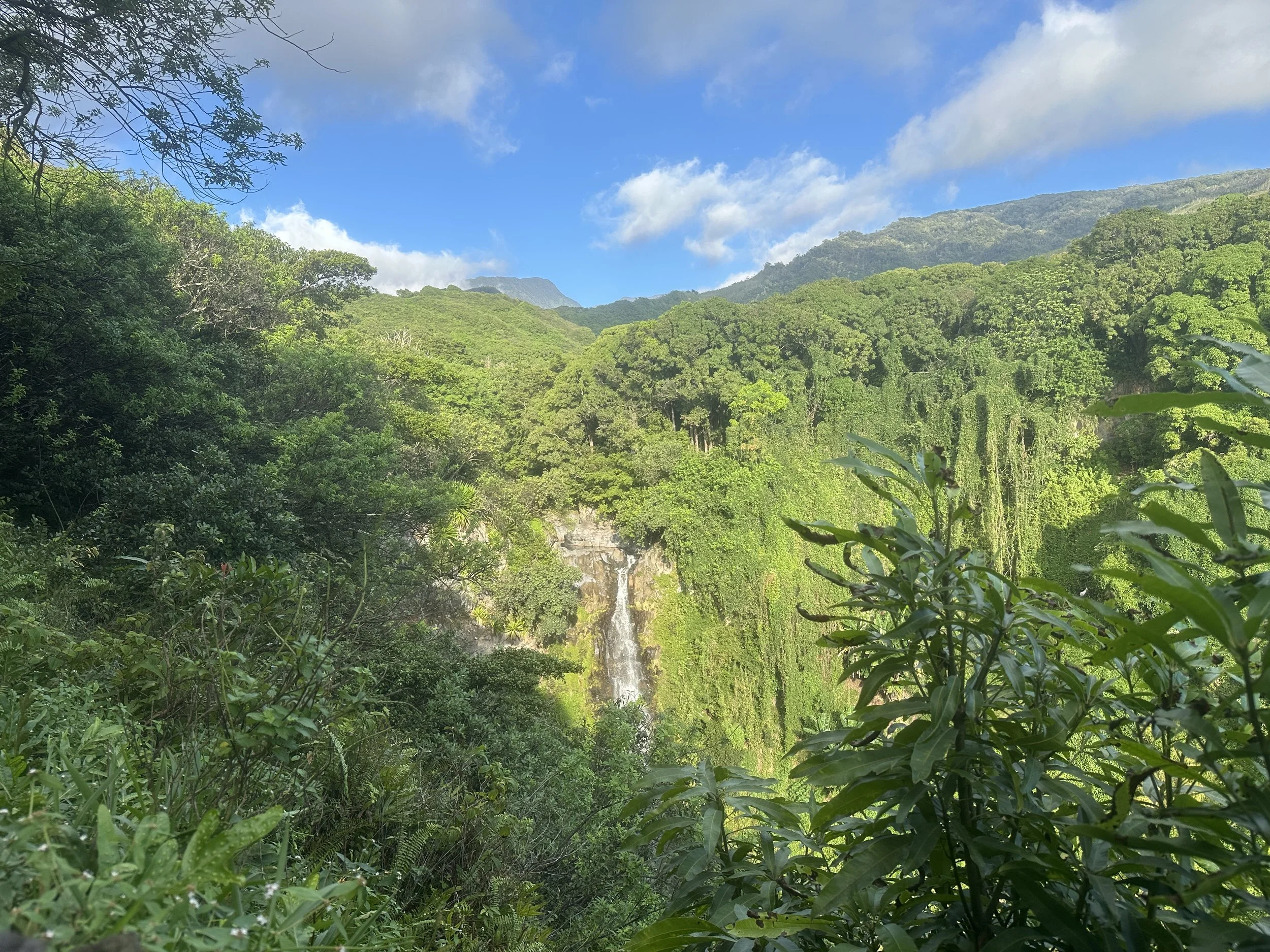
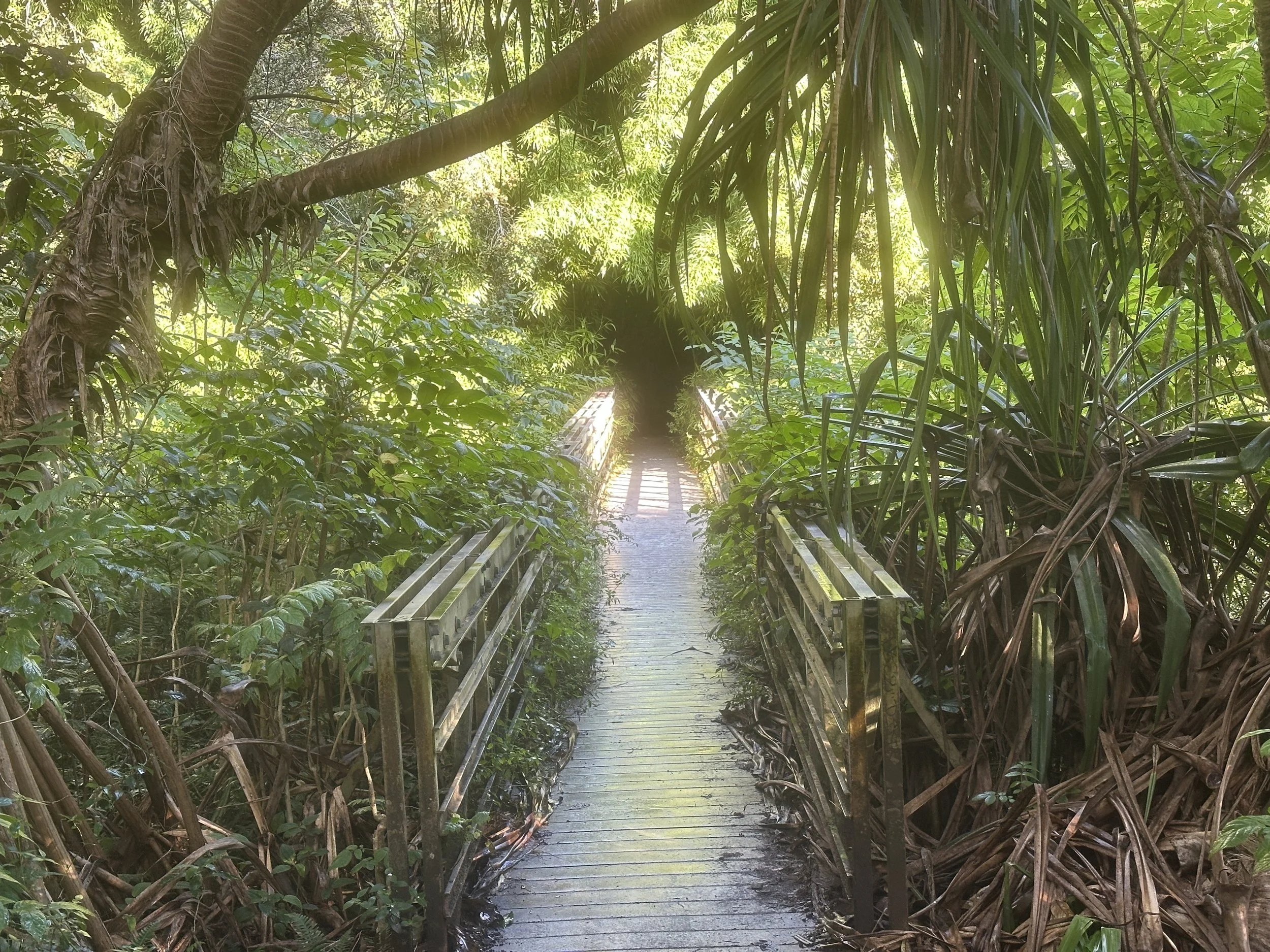
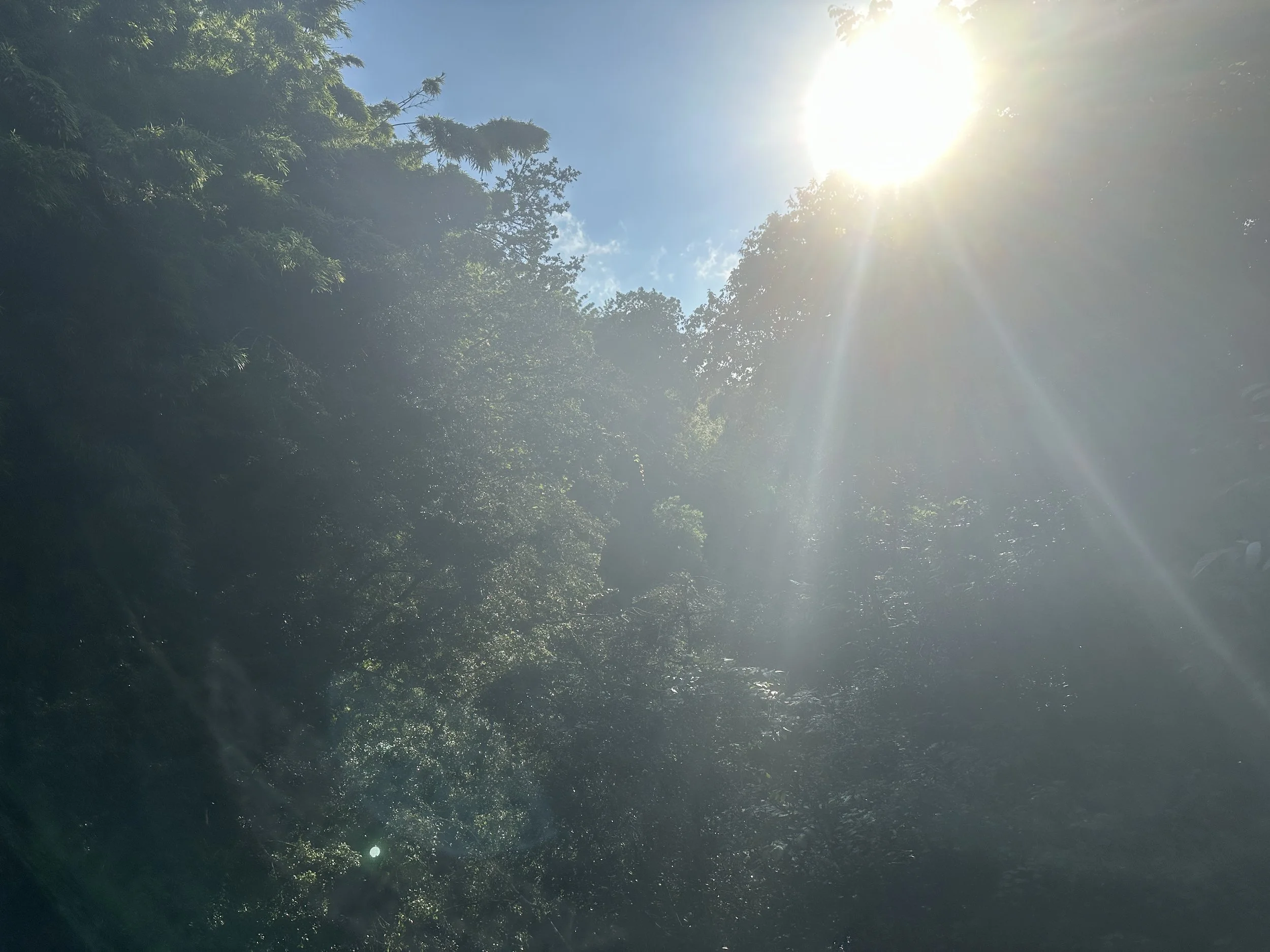
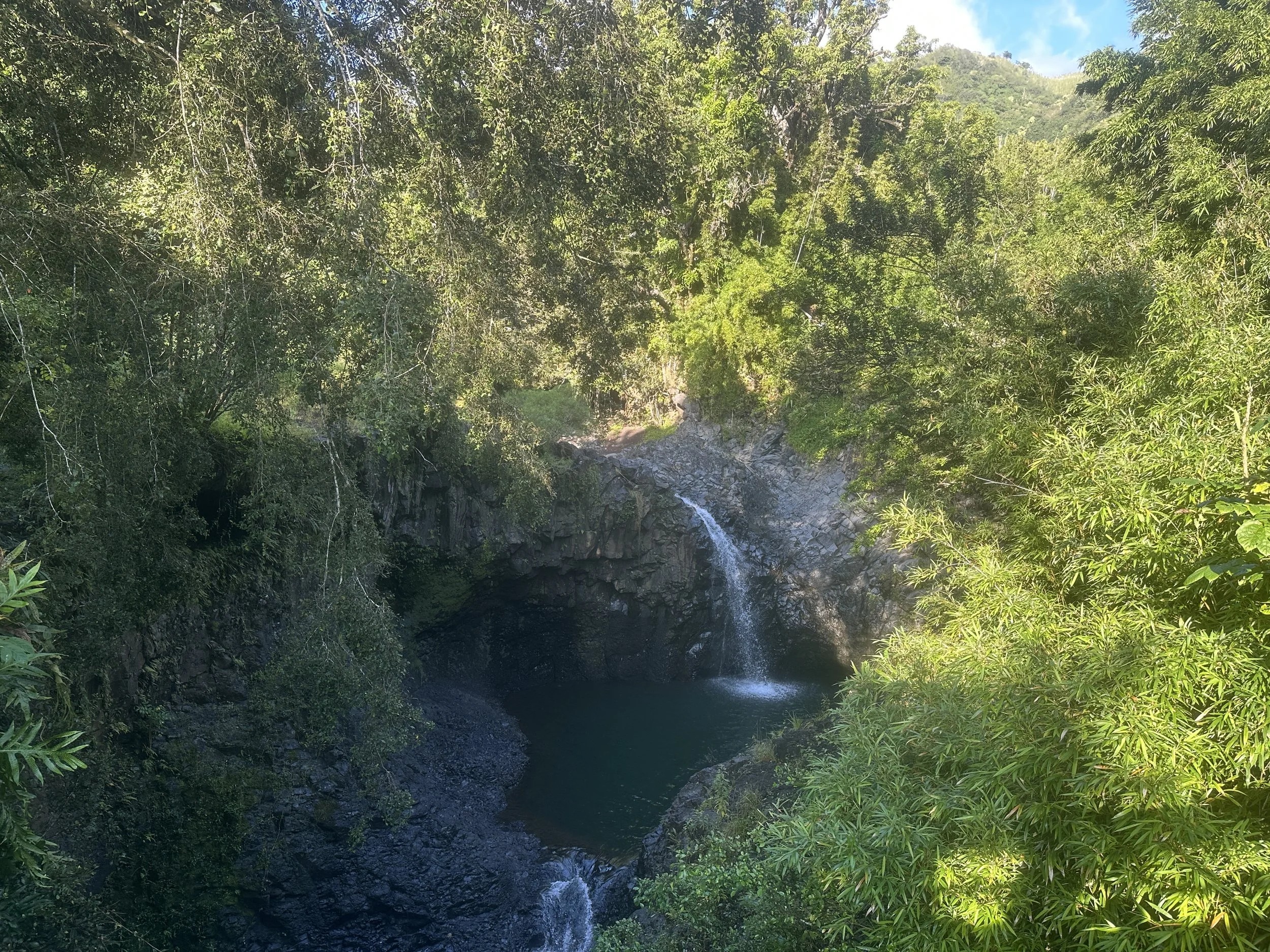
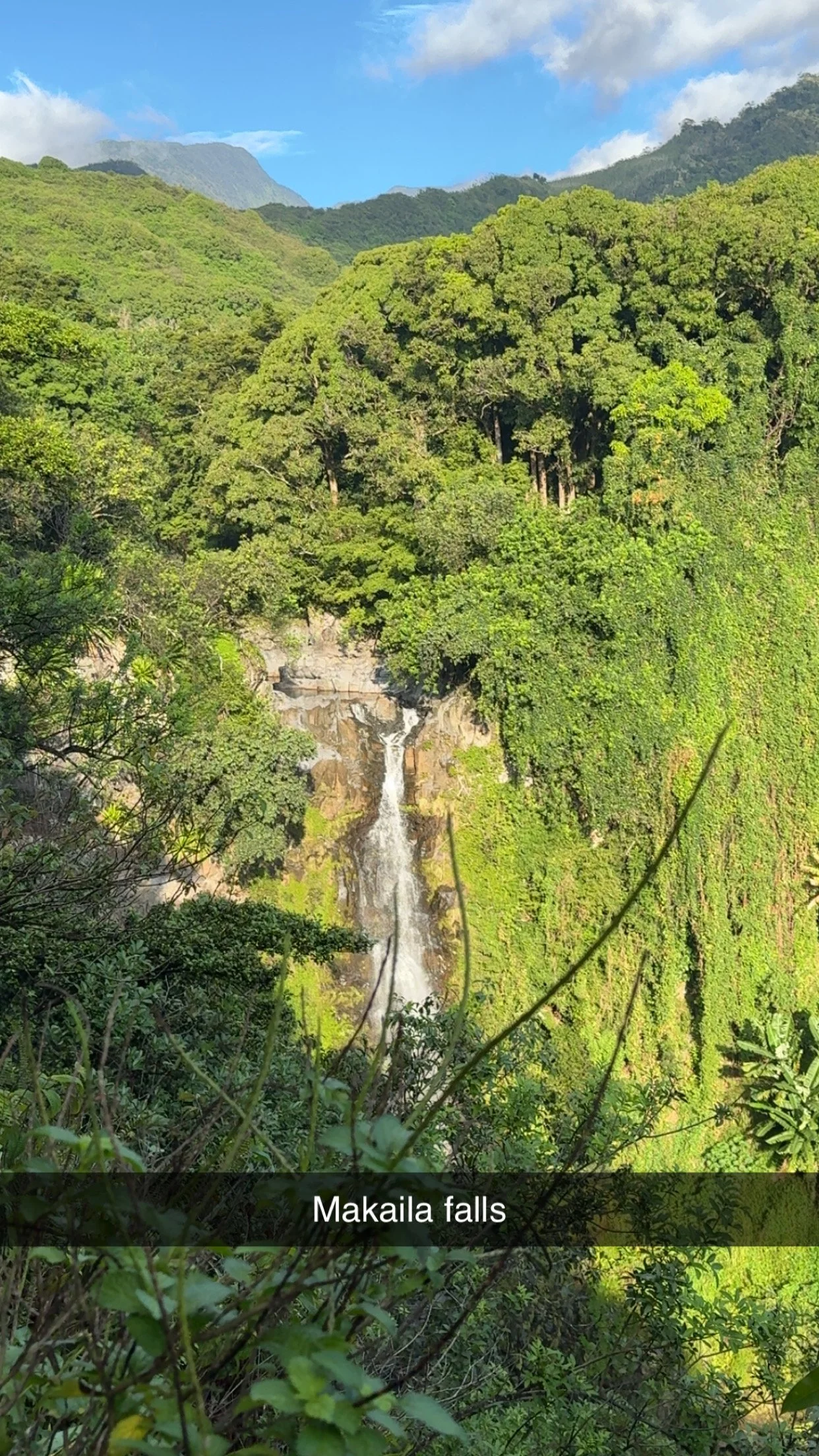
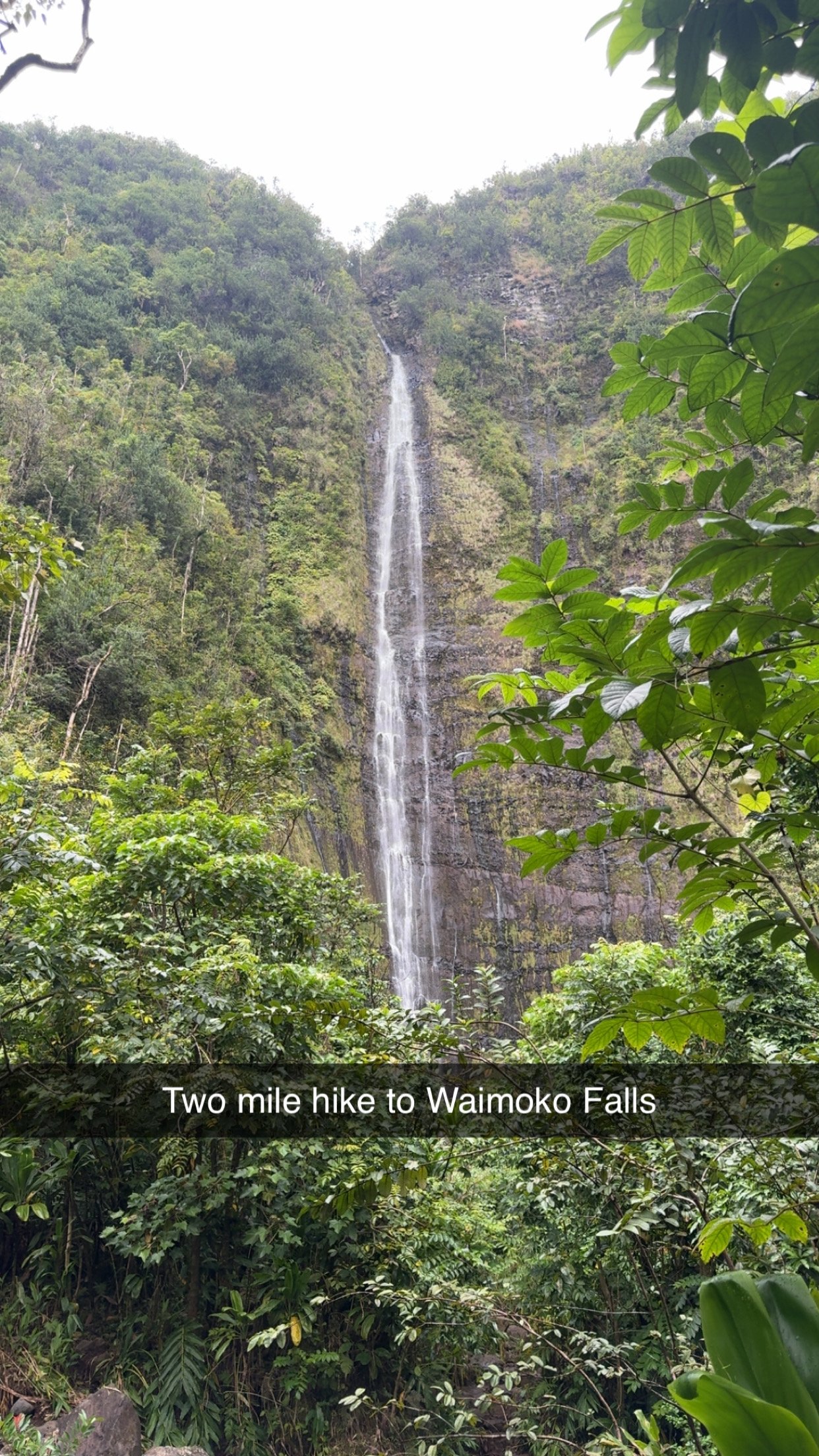
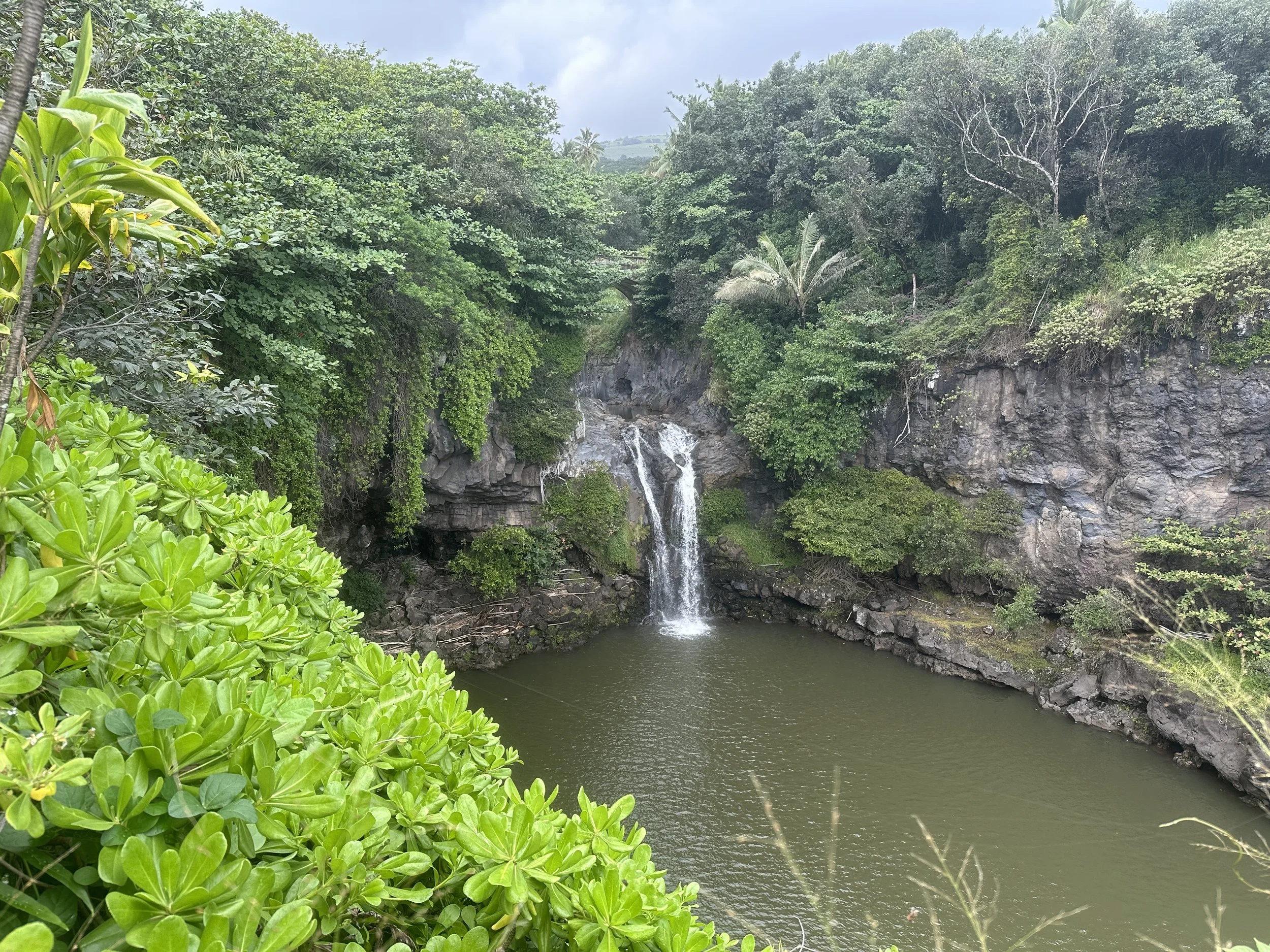
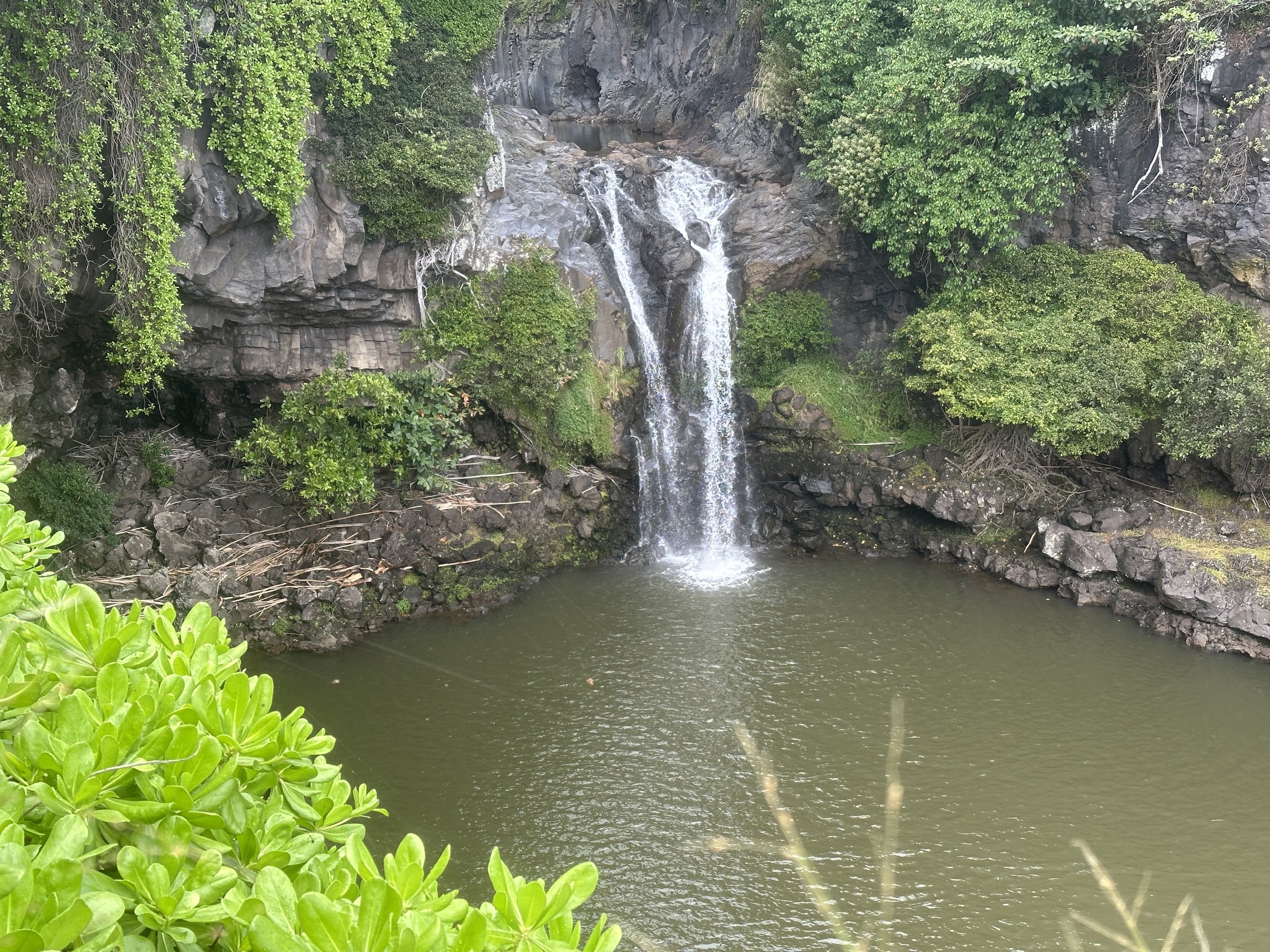
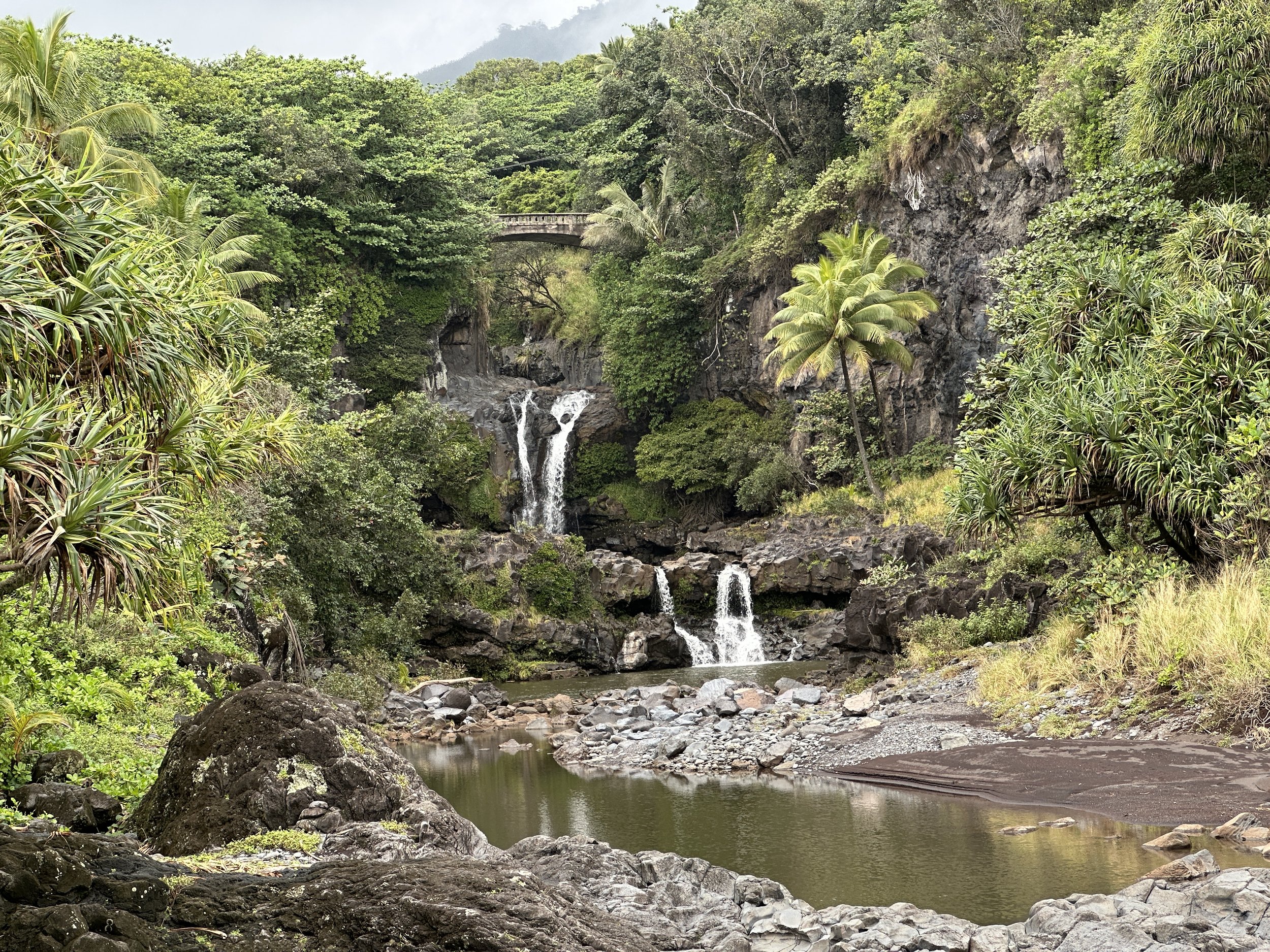
This is an absolute must-do, nestled in the lush, coastal Kapahulu District of the National Park. At roughly 4-mile round-trip journey, while considered moderately difficult with an elevation gain of around 800 feet, is less a strenuous trek and more an immersive journey through diverse tropical ecosystems that reward every step. The trail begins by winding through a dense rainforest, offering a viewpoint of the 185-foot Makahiku Falls, before leading hikers into the highlight for many: an enchanting, towering bamboo forest where sunlight filters through the stalks and the wind creates a unique, melodic clatter.
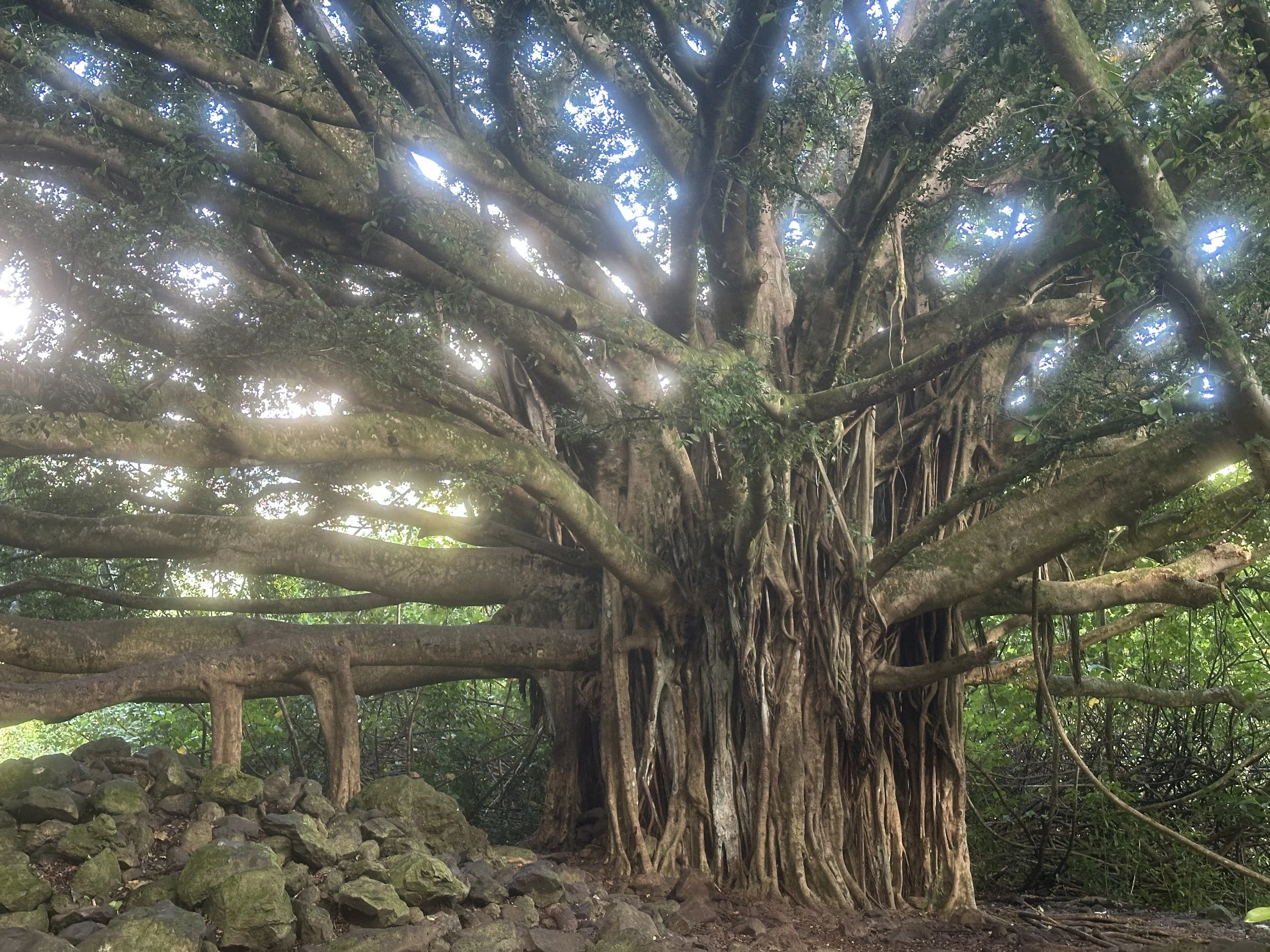
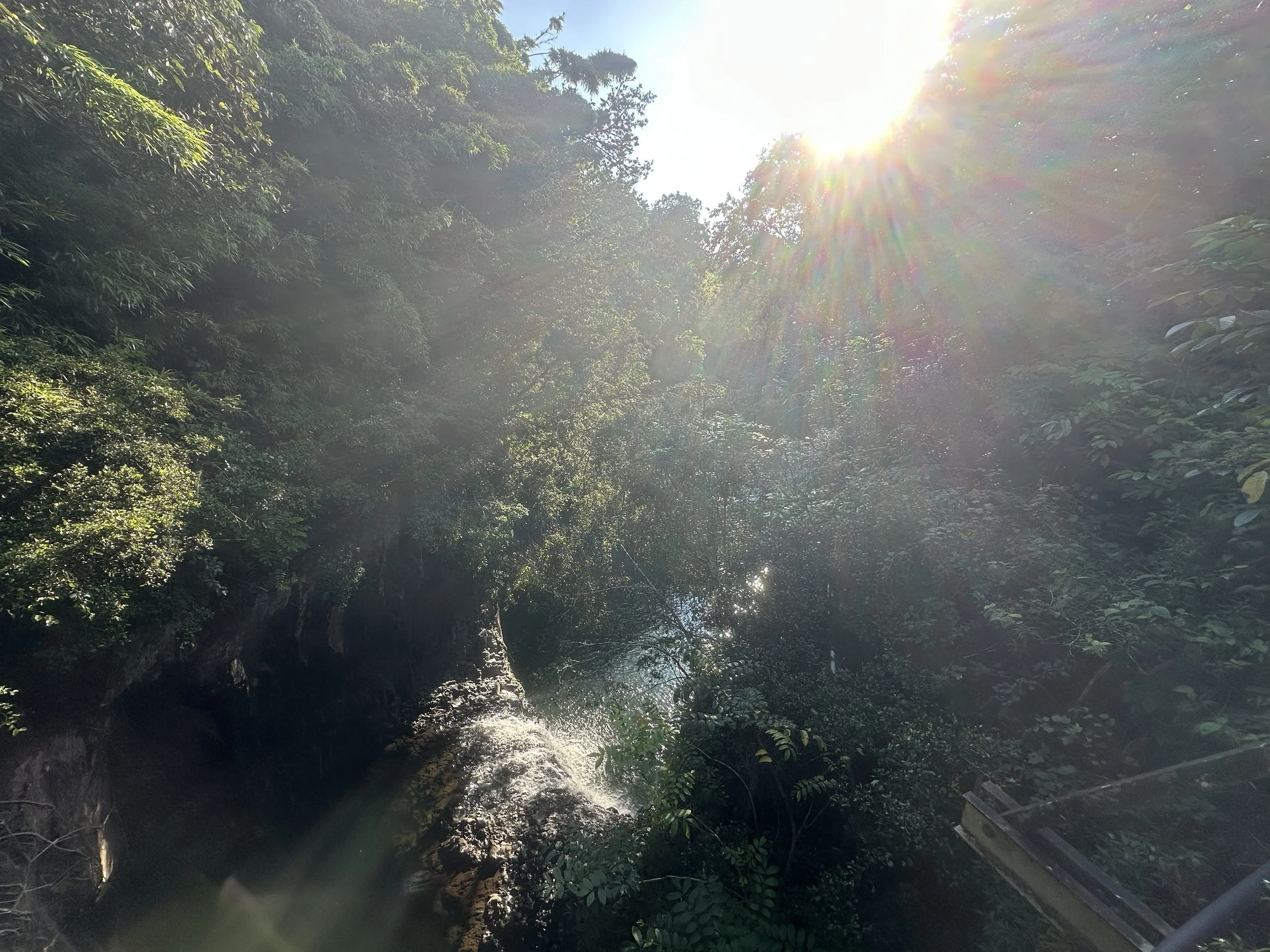
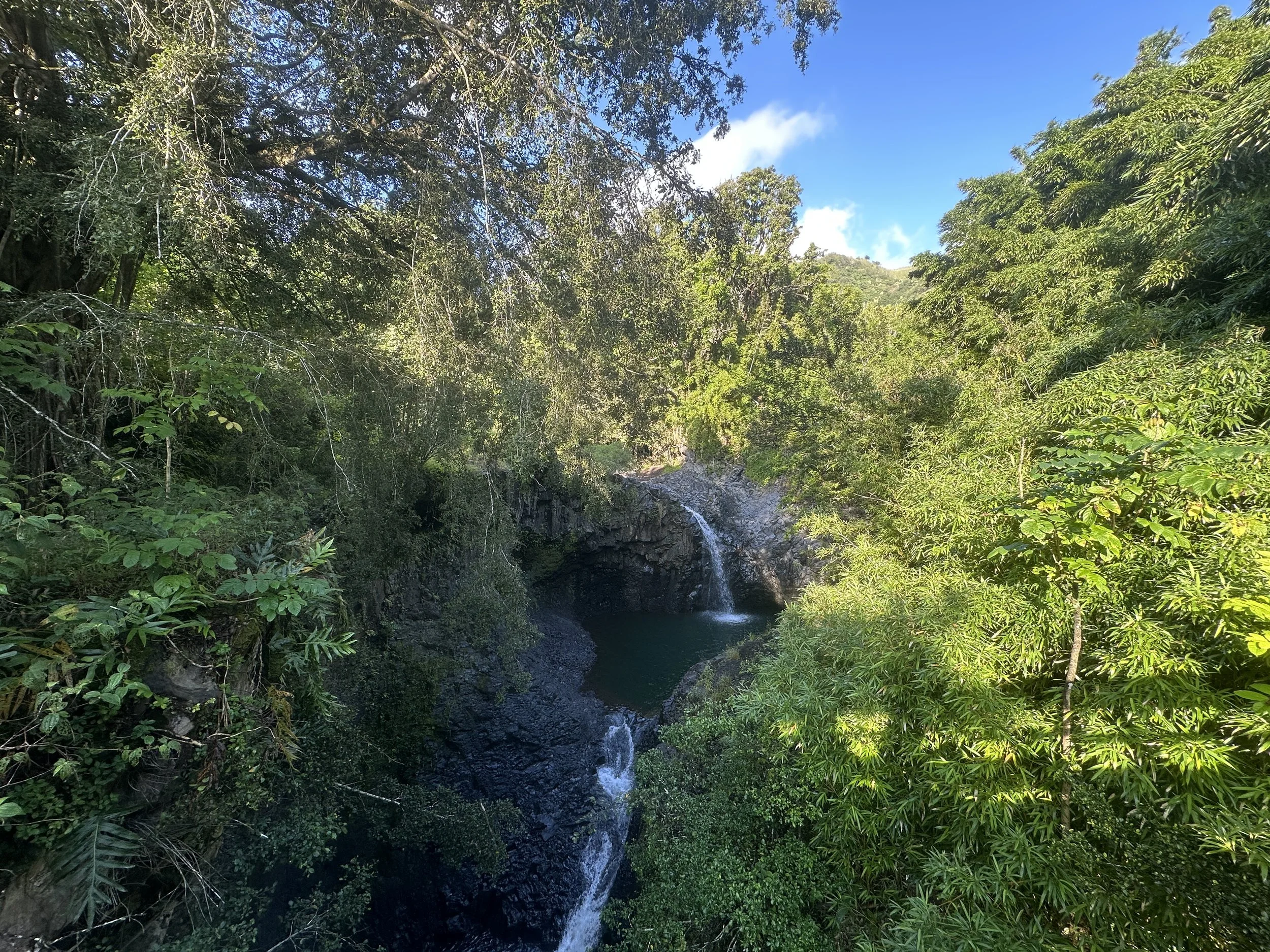
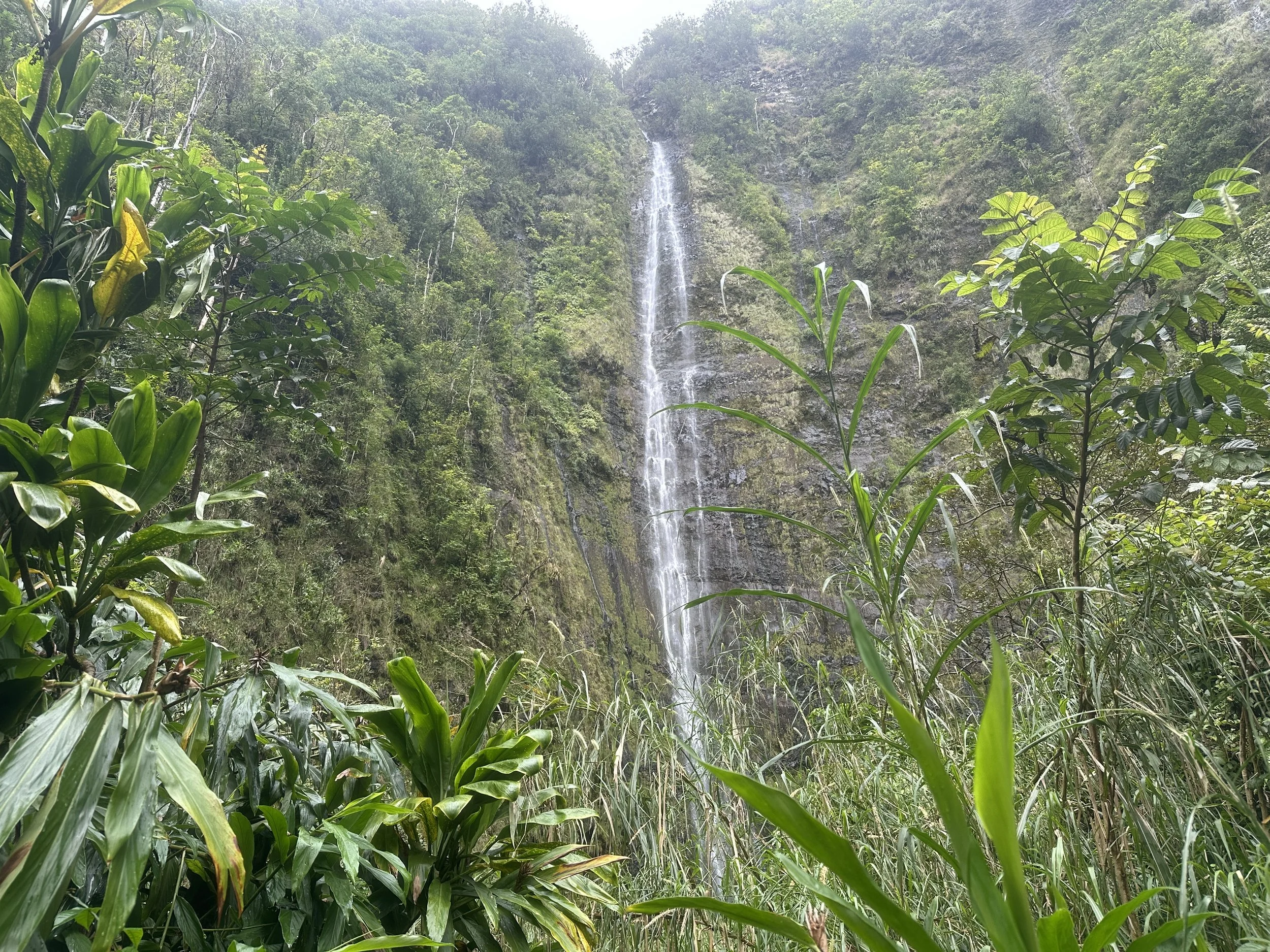
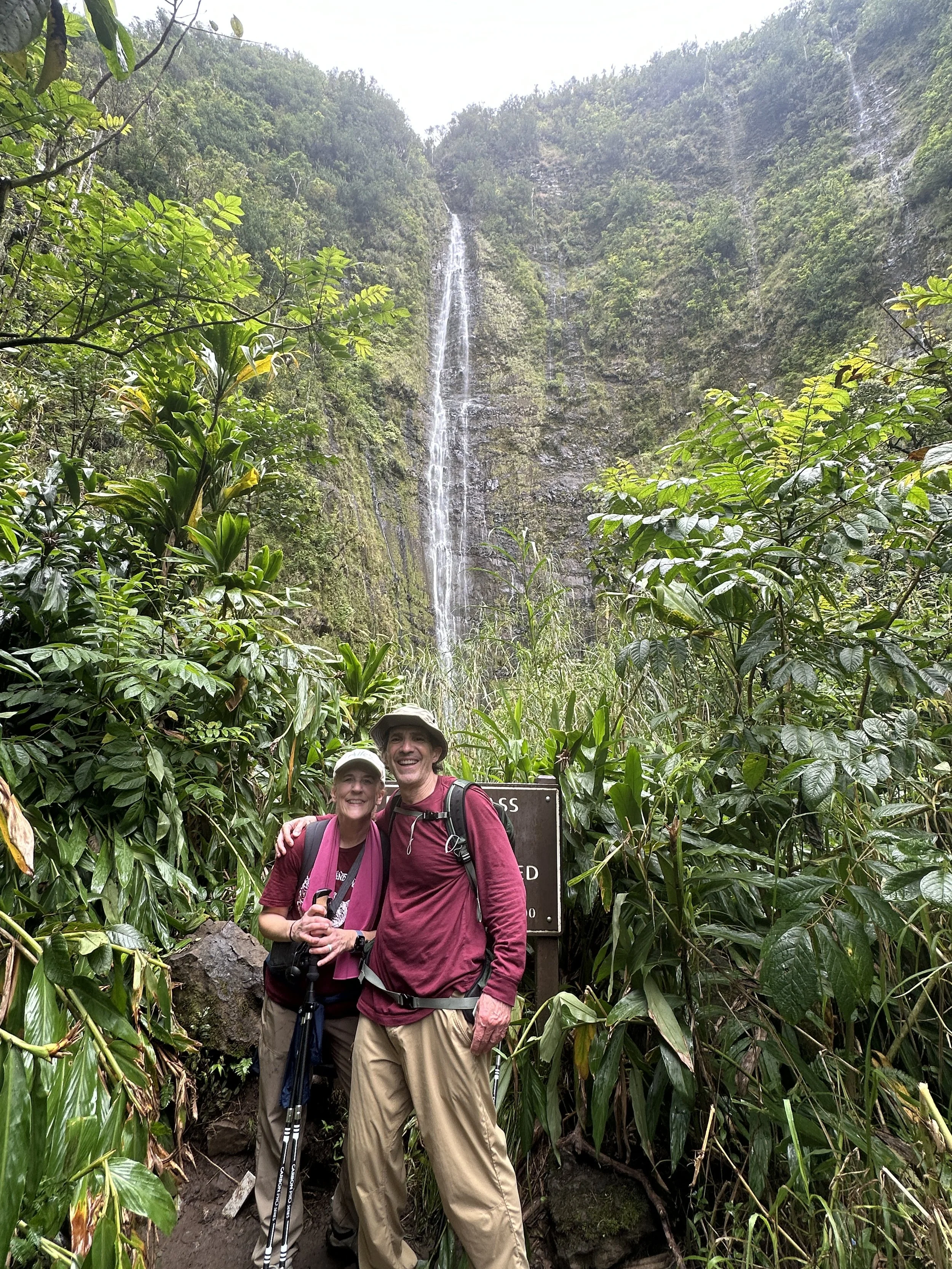
Hikers will also encounter a massive, ancient banyan tree, a perfect shady spot for a rest and photos, as they cross several footbridges over the 'Ohe'o Stream. The grand finale is the breathtaking 400-foot Waimoku Falls, a powerful cascade of water tumbling down a sheer lava rock wall into a boulder-strewn pool. It is important to respect the park's safety signs and maintain a safe distance from the base of the falls due to the danger of falling rocks, and swimming is strictly prohibited. With potential for muddy and slippery conditions, especially after rain, sturdy hiking shoes and insect repellent are essential gear, along with plenty of water and snacks. The Kīpahulu area operates as a day-use area, so plan to arrive early to secure parking and complete your hike well before the gates close, typically around 5 p.m.. This trail is truly a microcosm of Maui's natural splendor and an unforgettable part of any Road to Hana itinerary.